10/7/15

Does Fracking Threaten Drinking Water?

By Tim Evanson [CC BY-SA 2.0 (http://creativecommons.org/licenses/by-sa/2.0)], via Wikimedia Commons

By Tim Evanson [CC BY-SA 2.0 (http://creativecommons.org/licenses/by-sa/2.0)], via Wikimedia Commons

There is a lot of debate about fracking in the United States right now. There are valid arguments and scientific studies on both sides of the argument. This can make it hard to figure out who’s ultimately correct. On one hand, environmental activists argue that fracking is responsible for the pollution of drinking water. They point to the large number of chemicals used in the process of fracking, and make the point that some of these chemicals must be leaking into the watershed.

On the other hand, groups in favor of fracking point to the numerous safety precautions taken by drilling companies. These companies are regulated by a series of laws intended to protect the environment and local drinking water. Recently, defenders of fracking have been given another piece of evidence that is giving them a solid platform to backup their stance with.

That piece of evidence is a recent EPA (Environmental Protection Agency) report. In the report the EPA states that fracking does not threaten local drinking water supplies. The report took place over four years and looked at fracking activities across the United States.

The EPA concedes that in a few cases fracking wells have been responsible for contamination. However, they point out that these cases are few and far between. In fact, in cases where contamination has been detected, it almost always happens at wells that are violating one or more federal safety guidelines.

Fracking companies are also quick to point out that the chemicals they shoot into the ground are injected well below the watershed. In most places the watershed rests at about 2,000 to 3,000 feet. The wells that fracking companies drill go well below the watershed, up to depths of 9,000 feet. That means that these chemicals stay down in the ground, as they cannot go against gravity, and transition thousands of feet up to the watershed.

Companies also take extra precautions to preserve the watershed. All wells that are drilled have an additional amount of protection near the surface. Large amounts of concrete are poured around the fracking well closer to the surface, just as an extra precaution against any leaks.

All of these precautions protect drinking water from contamination. By following federal regulations and reinforcing wells near the surface, fracking companies strive to make their wells as secure as possible. These precautions are surely one of the reasons that the EPA concluded that fracking does not contribute to the contamination of drinking water.

However, no industrial process that uses as many chemicals as fracking can be completely clean and contamination free. Every year, rigs inject billions of gallons of fracking solution into the earth. Most of this solution is water and a small percentage is chemicals, lubricants and other compounds. Even though the solution is predominantly water, even just 2% of a billion gallons means 20 million gallons of pure chemicals.

One of the problems with fracking is that a majority of this solution is left behind in the earth. Depending on the well, only 30 to 50% of the solution used in fracking is recovered from beneath the ground. That means that every year a nearly unimaginable amount of polluted water is being left underground.

Problems also arise when that water is above ground. The fracking solution is usually stored in large tanks and ponds. Unfortunately, these storage areas are prone to dangerous spills. When fracking solution spills above ground, two things happen.

First, the solution sinks into the ground. Since thousands of gallons can spill at one time, this can add up to a significant amount of spilled solution. This water can sink down into the watershed. There, it gets mixed with clean water and is eventually used for drinking water.

The other problem associated with fracking solution spills happens when that water leaks into a local stream, river, pond or lake. When this happens the solution is carried off and it becomes mixed with pure, fresh water. This is a big problem because this type of leakage cannot be controlled. Once fracking solution leaks into a river, for instance, little can be done besides warning local residents about the danger.

More than anything else, there is one law associated with fracking that is alarming when it comes to the quality of drinking water. Fracking companies are exempt from the Clean Water Act and Safe Drinking Water Act. That means that their activities aren’t regulated by two acts which are explicitly designed to protect drinking water.

One of the larger problems with the question of fracking is that neither side has enough science to entirely disprove the other’s arguments. People who support fracking point out that spills are rare and many precautions are taken to protect drinking water.

Environmental activists argue that every year, fracking rigs use millions of gallons of potentially hazardous chemicals. Furthermore, they argue that by leaving these chemicals in the ground, fracking companies are risking watershed contamination.

Ultimately, the best way to solve the question is by doing your own local investigation. If you don’t live near a fracking rig then it’s likely you have nothing to worry about. If you do, you can take water samples and have them sent into the EPA for analysis.

It’s as likely as not that these samples will be fine and your drinking water is safe to drink. On the other hand, if there are chemicals present, you’ll be able to research them and discover if they potentially came from a fracking rig. Once you know what’s in your water, you’ll be able to take steps. Buying a water filter or filing an EPA complaint are all valid options.


John Davis writes for YourWaterFilterGuide.com, a site dedicated to helping everyone find clean, safe, drinking water.

Sources

http://www.nrdc.org/energy/gasdrilling/

http://www.sourcewatch.org/index.php/Fracking_regulations

http://www.wsj.com/articles/fracking-has-had-no-widespread-impact-on-drinking-water-epa-finds-1433433850

http://www.rt.com/usa/study-claims-fracking-safe-324/

http://cfpub.epa.gov/ncea/hfstudy/recordisplay.cfm?deid=244651
 

08/3/15

Will the Fungus Killing Salamanders Come to the US?

There is nothing more important right now to the survival of Salamanders than the United States stopping the importation of them from Europe and Asia.

From the New York Times article, “Importing Both Salamanders and Their Potential Destruction.”

“You would think there would be something in place,” said Vance T. Vredenburg, a biologist at San Francisco State University. “We really need a government agency at some level to take action and do something.”

…The pet trade brings huge numbers of salamanders into the United States. Fish and Wildlife Service records show that about 780,000 salamanders were imported from 2010 to 2014. Dr. Vredenburg and his colleagues found that 98 percent of the imported animals were native to Asia.

We have been watching Chytrid Fungus, or Batrachochytrium dendrobatidis (Bd for short) wipe out many species of frogs. Humans have helped spread this disease around the world and now we have an opportunity, if we act quickly to help the salamanders.

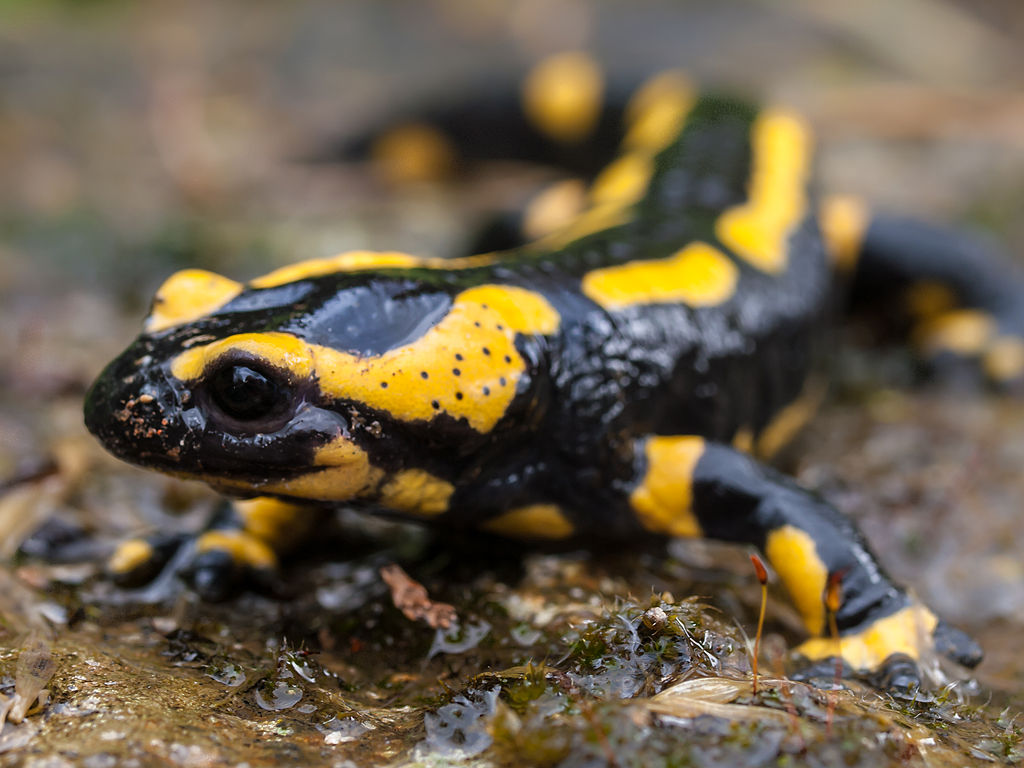
We’re worried about the Asian fungus that causes the disease “Bsal” which has already reached Europe, wiping out 96 percent of fire salamanders in the Netherlands. Now, researchers have determined that the fungus will spread like wildfire if it reaches North America, and they’re calling for an immediate ban on all salamander imports.

Fire Salamander from Wikipedia Commons

Fire Salamander from Wikipedia Commons.

Below are a series of articles on this topic from the past week:

NPR >> Scientists Urge Ban On Salamander Imports To U.S. To Keep Fungus At Bay


UC Berkeley >> Scientists urge ban on salamander imports to fend off new fungus


The Verge >> North America’s salamanders threatened by bloody skin disease


Tech Times >> Bsal Fungus Can Wipe Out U.S. Salamander Population: What To Know

06/9/15

Lemur Conservation Network – Eco Interview with Lynne Venart

When was your organization founded? Please tell us a bit about its mission, goals…

We are a very new organization; we began social media in December 2014, and just launched our website in February 2015! The website launch marked the one year anniversary of the lemur action plan, published in the journal Science. This action plan was authored by over 100 international primatologists from the IUCN Species Survival Commission Primate Specialist Group, and targets 30 priority sites across Madagascar with urgent conservation strategies aimed to save lemurs from extinction. The plan was developed by the key minds in lemur conservation, but it has yet to be fully funded.

That’s where the Lemur Conservation Network comes in. We formed to raise awareness about the importance of lemur conservation, and to encourage everyone to help. Our network unites over 40 organizations working on the ground in Madagascar to protect the land and its unique species. We aim to educate the public about Madagascar’s unique biodiversity, and urge all friends of lemurs, conservation, and the earth to support the cause and the projects in the action plan. We embrace all lemur fans, no matter your age, educational background, or location. It’s important to engage everyone who is curious about science and these fascinating creatures: we need more cheerleaders for conservation!

 Coquerel's Sifaka mom and baby in Madagascar

Coquerel’s Sifaka mom and baby in Madagascar

What is your educational background and what led to creating this organization?

I come to lemur conservation from a very different background than my colleagues at the Lemur Conservation Network, who are all PhD scientists. I have been a consultant for a variety of nonprofit organizations in branding, marketing, and web design for over 15 years.

And there is no cause I care more about than lemur conservation. I’ve been fascinated by lemurs and Madagascar for almost 20 years because of the extreme biodiversity on the island. I saw a unique need in lemur conservation for my professional skill set. A lot of people don’t know much about Madagascar or that the lemurs and other animals that inhabit it are facing an extinction crisis. A lot of people also don’t know just how cool these animals are! It can be difficult for scientists and conservation leaders to speak in a way that your average person will understand and find interesting. I bridge the gap between the science and the general public.

What are some challenges you have faced and how did you deal with them?

At first, it was difficult for our member organizations to understand what we wanted to do with the Lemur Conservation Network. In essence, we are a member organization, but we do not accept fees from our members because we want all of them to be equal, and we don’t want to take funds away from their important work on the ground in Madagascar. I think it was difficult at first for people in the field to understand that we existed because we wanted to help them by promoting their work and gaining more lemur fans who will support them.

Since I was not a known person in the field (my nonprofit consulting has been in a variety of fields like health care, education, and community engagement, but not lemur conservation), it was just so out of the blue.

It helped that, before much work had been done on the project, I gained the support of the IUCN Primate Specialist Group who published the lemur action plan. I knew it was important to have the backing of respected scientists in order to be taken seriously. They also guided the project a lot in the beginning to ensure that it would be useful for organizations on the ground. Their help was invaluable.

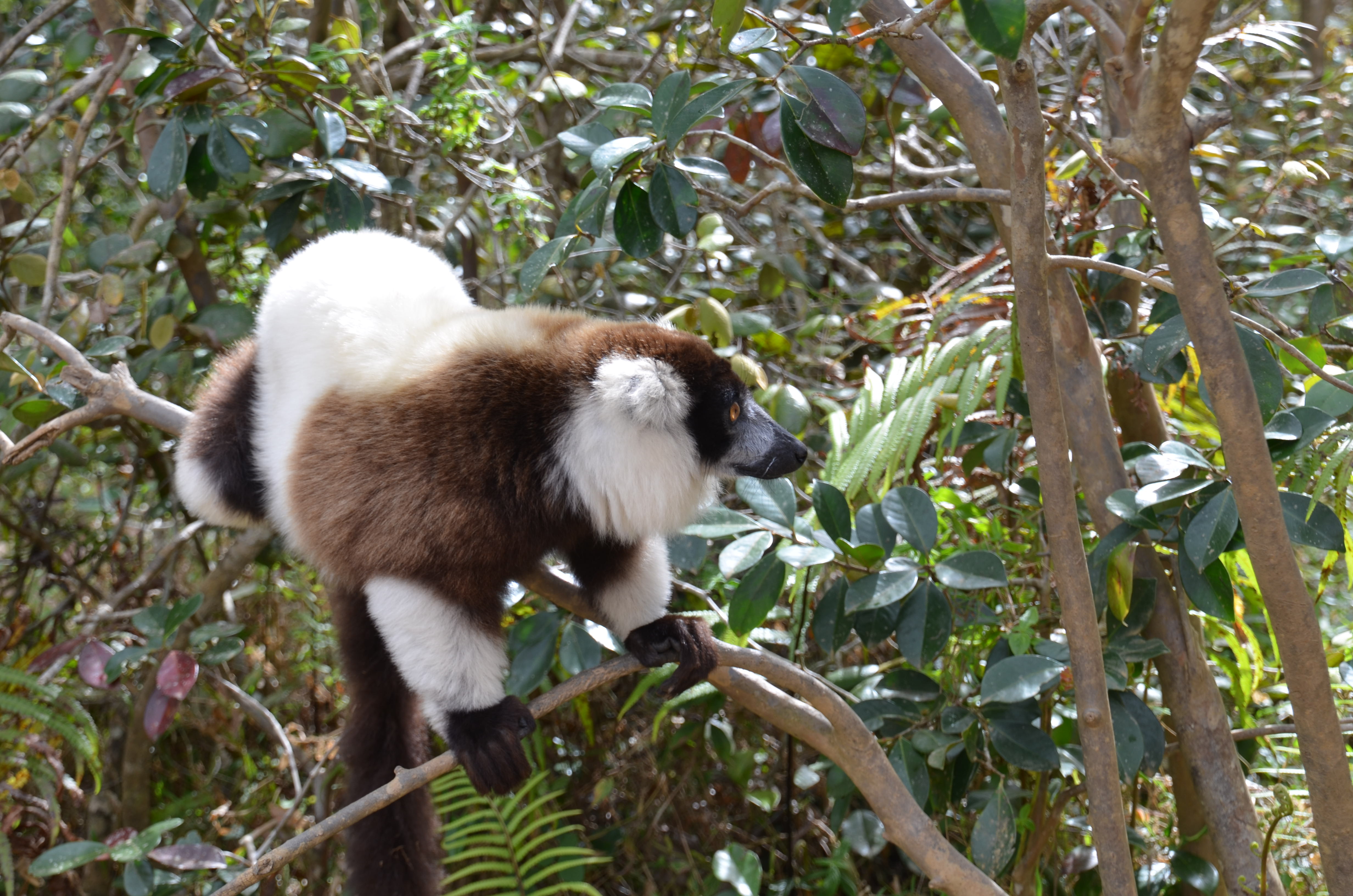
Black and White Ruffed Lemur in Madagascar

Black and White Ruffed Lemur in Madagascar

What can people do to help? Donate, and contribute to your cause? Other ideas?

At the Lemur Conservation Network, we recognize that we need everyone’s help to protect lemurs and their habitat! We thrive on participation.

How you can help:

  1. Support conservation in Madagascar and the lemur action plan by donating to one of our member organizations.
  2. Organize charity events in your area for us or one of our member organizations.
  3. Learn about volunteer opportunities that support conservation in Madagascar on our website.
  4. Read our blog to learn more about lemurs, life as a scientist, and more.
  5. Get inspired and tell your friends!

How do you reach your targeted audience? Is it through your website, advertising or social media or another route? Which is most effective and why?

We have an active social media presence on Facebook and Twitter, where we share news about lemurs and Madagascar, publicize our blog posts, and share information about lemur science and quick facts about various lemur species. We also have a robust photo archive from our members. There are over 100 species of lemur, and tons of unique chameleons, frogs, geckos, birds, and plant species in Madagascar, so there’s a lot of material to pick from!

How do you keep the audience engaged over time?

Our blog is key in engaging our audience. We have posts from scientists working on the ground in Madagascar, but also from zookeepers, travelers, and high school students with a passion for conservation. This variety of viewpoints keeps the content fresh and appealing.

Tell us about your events around the world and some of the campaigns you have started.

Our launch party in March in Washington, DC welcomed over 150 guests. We had a ton of really fun raffle prizes, like lemur ties, handmade crafts from Madagascar, and even lemur bobbleheads! At our launch, we randomly selected two member organizations to receive donations at the event, and raised over $1,000 for them!

We also hold networking happy hours around the world. Our first was recently in Washington, DC, and we have two more scheduled for the coming months at science conferences around the world. We also recently participated in a Discover Madagascar festival in the DC area, which was attended by hundreds of Malagasy people who now live in the United States. It was great fun to share stories about lemurs and Madagascar with those native to the country.

We encourage our supporters to hold fundraising events where they live as well. One of our bloggers recently raised over £1000 at a charity race in the UK supporting one of our members, the Aspinall Foundation. There is interest in the London area to begin holding more fundraising events.

What is in the works for the future? What haven’t you yet tackled, but will want to do soon?

We are currently building up educational resources on the unique species of Madagascar, and have a couple of other educational webinars in the works. It’s important to spread our enthusiasm about lemurs and Madagascar to everyone, young and old!

We are also building an in-language Malagasy version of the website, so we can better reach the community in Madagascar.

We are a very new organization, but we have received a ton of support from all over the world. We are blown away by what we have accomplished in just a few short months. We hope to keep the enthusiasm going, and to continue to build up the lemur fan base. Lemurs rock!

Lynne Venart, Project Manager & Creative Director, Lemur Conservation Network

Lynne Venart, Project Manager & Creative Director, Lemur Conservation Network

***A podcast with Lynne Venart, interviewed by Susan Newman (Suzy Brandtastic), is coming very soon.***

Contact Info:

Website: www.lemurconservationnetwork.org
Support Conservation on the Ground in Madagascar: http://lemurconservationnetwork.org/support-conservation/
Blog: http://lemurconservationnetwork.org/blog/
Facebook: https://www.facebook.com/lemurconservationnetwork
Twitter: https://twitter.com/LemurNetwork

05/17/15

Frogs and Toads at Sage Hill Herb Farm

I recently discovered Sage Hill Herb Farm in Petersburg, Tennessee and the owner, Bea Kunz.

About the Farm
Sage Hill Herb Farm consist of three acres under cultivation. A mix of wild flowers and grasses, much of those are native to Tennessee. Many raised beds which are always planted and growing vegetables and herbs along with fruit trees and berries for family and friends.

Their teas, herbs and seasoning blends are all carefully hand tended and organically grown without chemical pesticides or fertilizers.

They recommend that deep red or bright pink fruits and vegetables should be eaten every day. Nutrition research shows that foods in the red groups contain phytochemicals, such as lycopene and anthocyanins. Phytochemicals, substances found only in plants, help your body fight disease and promote good health.

Bogs and Frogs
And then there is the Bog! A beautiful and intriguing spot on the lower section of the back area where natural rock jutes through the ground. A wet weather stream keeps the area wet most of the time… providing a safe and natural habitat for frogs, toads and other little creatures who might come and go.

Below is a gallery shared by Bea of an American Toad, Green Tree Frog and Eastern Spadefoot and their natural habitat.
 

American Toad at Sage Hill Farm in Tennessee

American Toad at Sage Hill Farm in Tennessee

Bog at Sage Hill Farm in Tennessee

Bog at Sage Hill Farm in Tennessee

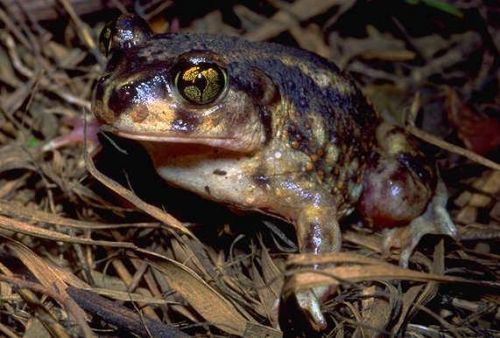
Eastern Spadefoot frog at Sage Hill Farm in Tennessee

Eastern Spadefoot frog at Sage Hill Farm in Tennessee

Frog parking only, all others will be toad
Frog Habitat at Sage Hill Farm in Tennessee

Frog Habitat at Sage Hill Farm in Tennessee

Green Tree Frog at Sage Hill Farm in Tennessee

Green Tree Frog at Sage Hill Farm in Tennessee

Green Tree Frog at Sage Hill Farm in Tennessee

Green Tree Frog at Sage Hill Farm in Tennessee

american-toad-sage-hill-herb-farm thumbnail
Bog-sage-hill-herb-farm thumbnail
eastern-spadefoot-frog-on-sage-hill-farm thumbnail
frog-parking-all-others-will-be-toad thumbnail
sage-hill-herb-farm-bog thumbnail
green-frog-sage-hill-farm thumbnail
green-tree-frog-sage-hill-farm thumbnail

05/8/15

Frog Art in Jersey City – City Hall Rotunda

The last few months have been very exciting. The international children’s frog art is taking over Jersey City! The next exhibition is up now inside Jersey City’s City Hall Rotunda. It will be up until May 30th and the opening reception is May 20, 2015 at 6-8 PM EST. (You can visit weekdays and weekends, just see the event page for the hours.)

I’m reaching out because I expect the city will send the video team (JC1TV) and they would love it if the students whose work is on the walls could be at the reception. So, if you are one of the students that entered and won, or you don’t live too far away, please join us on May 20th!

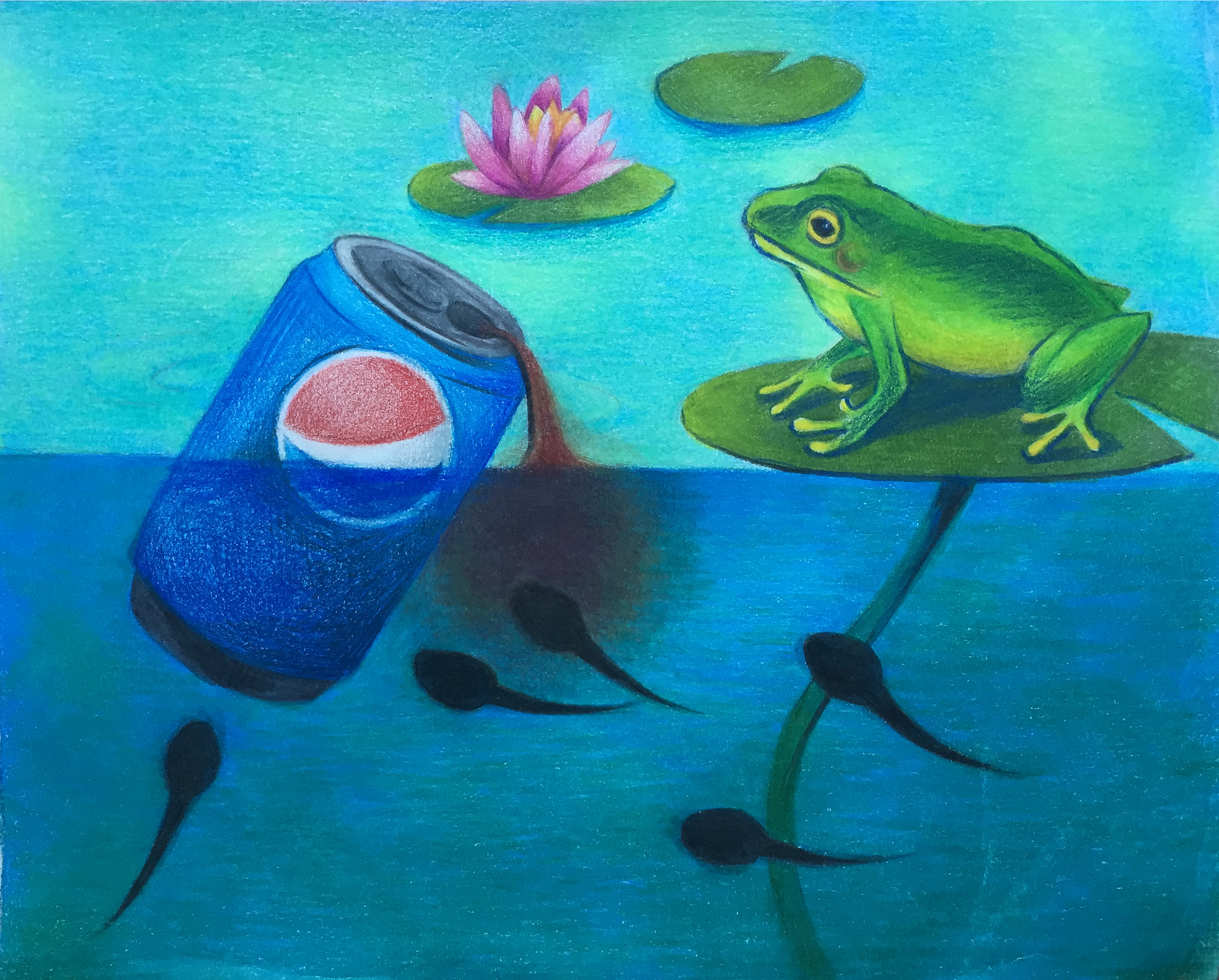
3rd Place Winner, Cynthia Cao, USA, Frogs Are Green Kids Art Contest, Best Environmental Art

3rd Place Winner, Cynthia Cao, USA, Frogs Are Green Kids Art Contest, Best Environmental Art

Here’s the link to see all the winning artworks:
http://frogsaregreen.org/winners-of-the-2014-frogs-are-green-kids-art-contest/

Here’s the event for May 20th on Facebook, so you can join and follow the details:
https://www.facebook.com/events/790874864334035/

Here’s a link to all the Frogs Are Green events planned for 2015.
http://frogsaregreen.org/about/events/

05/1/15

Green Ways to Keep Your Kitchen Germ-Free

Guest blog by Bryn Huntpalmer

Going green and eliminating germs is easier said than done, and you’re not alone if you feel like the majority of kitchen cleaners on store shelves contain harsh chemicals that are anything but environmentally-friendly. A few years ago, I decided to ditch the bleach and keep my kitchen clean with all-natural cleaners, and I couldn’t be happier. Here’s how to do it:


Clean with Natural or Non-toxic Cleaning Materials

Dishes, countertops, appliances, and any place that has seen a piece of raw meat needs cleaning and disinfecting. You can use natural materials to create cleaning products for any situation.

The basic ingredients for almost any type of non-toxic disinfectant are:

  • Vinegar
  • Lemon
  • Baking Soda
  • Hydrogen Peroxide
  • Tea Tree, Orange, and Neem Oils
  • Grapefruit Seed Extract

Clean the refrigerator and countertops with baking soda. About a quart of warm water and a couple tablespoons of baking soda will give you a solution you can use to effectively clean quite a few things. Baking soda is actually a versatile substance. You can also use it to make a paste that can lift stains off cups and pans. Even better, when you’re done with the baking soda, you can pour it down the kitchen drain. It can help to get rid of and keep away bad drain odors.

Let your disposal unit grind down a lemon. Really, you can use any kind of citrus rind or peel to freshen the unit. You can also throw in some vinegar or baking soda (or both). Tossing in a few ice cubes can also help knock some debris off the disposal’s blade.

Add vinegar to the dish soap. You don’t need that fancy, overpriced dish soap. Get the cheapest brand you can find and simply add in a little vinegar (the ratio should be 10:1, with that smallest amount being vinegar). Vinegar cuts grease. And that’s just one of the things it does. Vinegar is really a miracle cleaner for your kitchen. For instance, you can clean your kitchen windows with vinegar. Just mix equal parts vinegar and water in a spray bottle.

Clean and freshen food prep areas. In a spray bottle, combine half a cup of white vinegar, 3 cups of water, and 10 drops of tea tree oil. Use this mixture to clean cutting boards, sinks, countertops, and other hard surfaces.

With these basic ingredients, there are almost an unlimited number of cleaning and disinfecting solutions you can make. You can use them in every part of your kitchen and all over the house. Just search for cleaning recipes involving any one of the listed things.

Even the solutions listed here aren’t the only way to accomplish any particular task. By cutting out the use of hazardous, chemical-based cleaners, you will make your kitchen clean, safe, and definitely green.

For more home tips and tricks, head to Modernize.com.