08/10/14

Gecko In Turks & Caicos

The island of Providenciales in Turks & Caicos is one of my favorite vacation spots and I have been there many times. The sand is pinkish white and as soft as talcum powder. The sea is the perfect color of turquoise and crystal clear. When you enter the water all you see are little fish and if lucky, while swimming, the local dolphin that comes over to greet visitors.

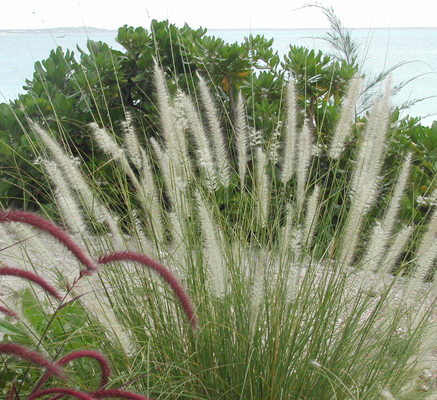
Turks & Caicos beach plants and sea beyond. Photo by Susan Newman

Turks & Caicos beach plants and sea beyond. Photo by Susan Newman

On one of my trips as I was unpacking my things, I noticed a little gecko in my room and just left him to wander around. At the time, I didn’t know that much about them, but he/she was so cute, I didn’t bother it. Over the next few days, my friends were complaining about the mosquitoes and kept asking me, how come you aren’t bitten up like we are? I didn’t really know.

This went on for days until I told them about the little gecko in my room, who like to come inside where the temperature is to their liking and are safe from predators. OH! They said, it’s eating the mosquitoes in your room, that’s why you aren’t having the problem we are.

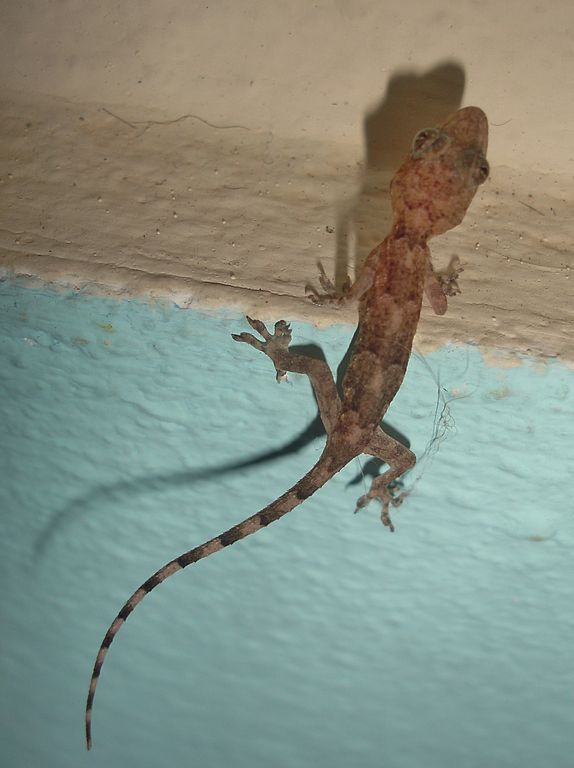
Tropical House Gecko (Hemidactylus mabouia) by  Thomas Brown

Tropical House Gecko (Hemidactylus mabouia) by Thomas Brown

Well, it is many years later and I know more about geckos, salamanders and frogs. I wanted to share this little story because most people wonder how the decline of frogs and amphibians directly effects them. As you can see, just one gecko in my room on vacation, made all the difference for me having a more comfortable trip than my friends. Just imagine how insects will bother us if there are no frogs or geckos around to eat them?

08/5/14

Baby Iguanas As Prizes?

We’ve all been to our local county fair, rode on the ferris wheel, sprayed the water in the clown’s mouth, maybe even won a big stuffed frog. But what’s happening in Ohio (and perhaps other places) is the wrong way to get young people interested in caring for wildlife. Naturally, as people walk by a booth and see what seems like an easy game to win and the prize is a real, live, baby iguana, they are so tempted. Yes, they’ll win a baby iguana! This is so very wrong and has to be banned, now!

Here’s the story by Keith Gisser, founder of Herps Alive!

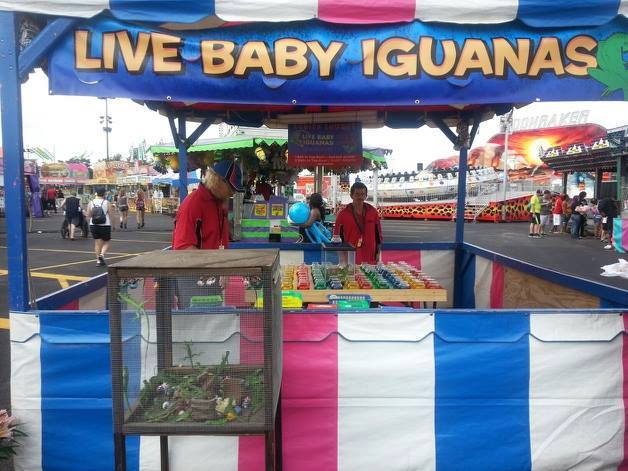
The Ohio State Fair in Columbus featured a booth that offered live iguanas as prizes.

The Ohio State Fair in Columbus featured a booth that offered live iguanas as prizes.

It started as one of those non-funny jokes. A friend posted this photo on Facebook last Tuesday and tagged me, asking, “How soon until you start getting calls on these, Keith ?”  The answer turned out to be Sunday. That didn’t take long at all, did it.

An Ohio State Fair booth was offering baby iguanas as prizes. The needed skill? Not knowing how to care for a live animal. Let alone a tough-to-care-for properly green iguana (Iguana iguana). But knowing how to toss a Ping Pong ball into a fishbowl.

These days most places don’t even give away love goldfish. They give a coupon for the goldfish. That makes sense. Win. Think about if you really want the animal. Go to pet store. Buy proper equipment. Then flush him two weeks later (the expected life span of a goldfish is two weeks. I am quite sure of this).

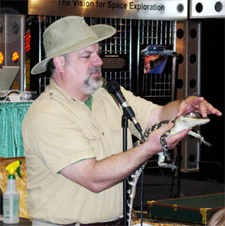
But not so with iguanas. A young man won his and brought it back to Cleveland (a two-hour plus drive plus who knows how long carrying him around in a box while enjoying healthy far food like chocolate dipped bacon.  And a ride on the Tilt-A-Whirl. He was there with friends and mom and dad were a bit surprised. But they did the right thing. They went to the pet store, started reading the care sheet and realized this was way beyond what they were prepared for. They called around and eventually the Cleveland Zoo referred them to the Herps Alive Foundation. I was doing an outreach event at  a Petco store and arranged to pick him up.

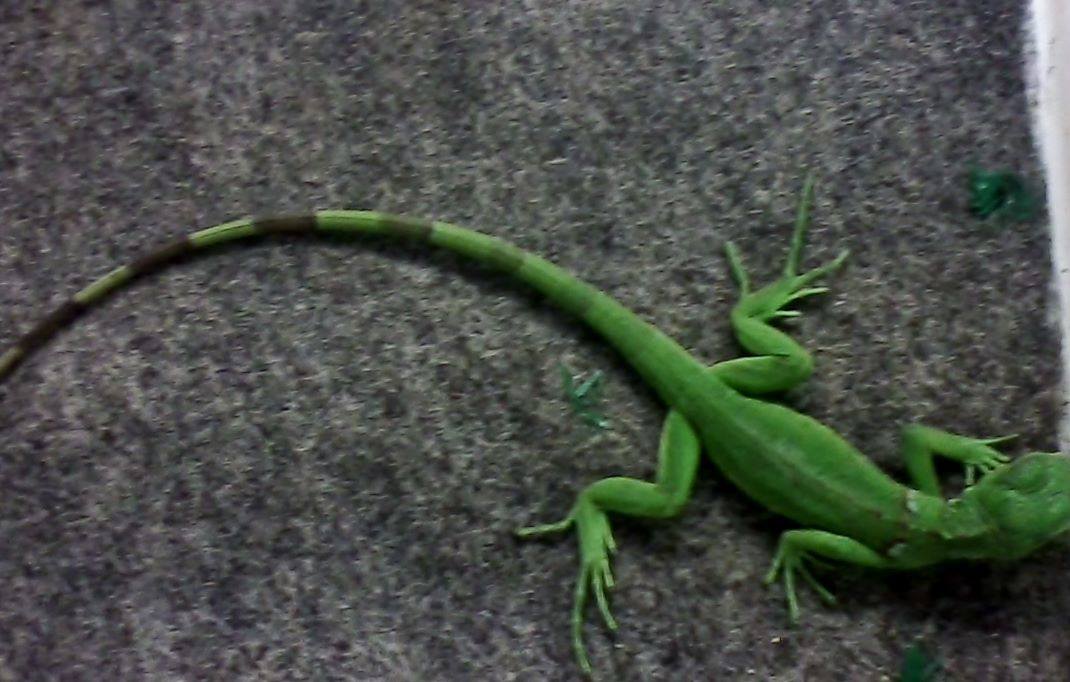
Baby Iguana rescued by Herps Alive

The iguana in question.

Fortunately this little hatchling is pretty healthy and eating. With full spectrum light and heat he should live a long and happy life. We hope to find a permanent home for him soon.

You might be surprised that after my bad experience with reptile laws in Ohio, that I really think we need a law banning these guys (and all live animals) as prizes. Many states and localities ban this practice, but not our state. Time for a change. Or a change.org perhaps. Give ‘em a coupon. Or a stuffed iguana.


Keith GisserKeith Gisser runs the Ohio based, award-winning, nationally recognized interactive reptile and amphibian program Herps Alive! He has been a herpetology educator for over thirty years and currently maintains about 100 reptiles, amphibians and crocodilians, nearly all adoptions or rescues, about half of which are used in his programs.

07/21/14

Frogs Are Green in Times Square for #SeeMeTakeover

#SeeMeTakeover (SeeMe) is taking over illuminated billboards in Times Square to showcase international artwork! These five Frogs Are Green posters will be displayed among the work of other artists! Congrats to all… So head to New York City at Broadway and 46th Street on Thursday, July 24 8-9 pm! Artists featured are Paul Zwolak, Kerry Kriger, Sherry Neidigh, Sylvie Daigneault and Wes Deyton and the Frogs Are Green founder and designer, Susan Newman. See.Me will be photographing the show, but I will make a point of heading into NYC and recording it myself, if I can catch the imagery at night. Here’s a link to see what it’s about: https://www.see.me/

Below are the five posters to be featured:

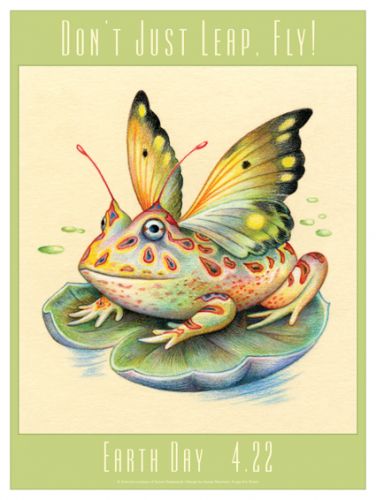
Don't just Leap, Fly! - Illustrated by Sylvie Daigneault, Designed by Susan Newman

Don't just Leap, Fly! - Illustrated by Sylvie Daigneault, Designed by Susan Newman

Bask in the Glow - Photo by Wes Deyton, Designed by Susan Newman

Bask in the Glow - Photo by Wes Deyton, Designed by Susan Newman

We Cannot Do This Alone - Photo by Kerry Kriger, Designed by Susan Newman

We Cannot Do This Alone - Photo by Kerry Kriger, Designed by Susan Newman

It is easy being green - Illustrated by Paul Zwolak, designed by Susan Newman

It is easy being green - Illustrated by Paul Zwolak, designed by Susan Newman

A Frog's Dream - Illustrated by Sherry Neidigh, Designed by Susan Newman

A Frog's Dream - Illustrated by Sherry Neidigh, Designed by Susan Newman

winged-frog-earth-day-poster-sylvie-daigneault-frogs-are-green-425px thumbnail
Earth-Day-Wes-Deyton-peeper-600px thumbnail
FROG-couple-poster thumbnail
Zwolak-frog-poster-600px thumbnail
Frogs-dream-posterF-blog thumbnail
07/9/14

Eco-Interview: Allison Green, Painting Nature – Jersey City Artist

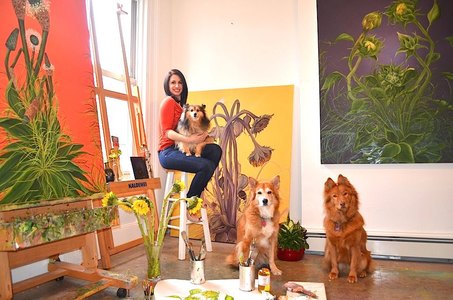
Frogs Are Green founder, Susan Newman interviews Allison Green about her large-scale, exquisite paintings of nature. Here’s what Allison shares with us:

Allison Green, Jersey City Fine Artist in her Studio

It’s hard to say exactly why I paint nature – but I am sure that it roots from my childhood life in Pennsylvania, where I grew up in a house on the perimeter of a lush forest. Memories of a childhood which revolved around nature are deep within me, especially today, as I have been living in the city for the last 20 years. Sometimes I wonder if I paint nature because I long for those lush forests of my childhood, or if it is the stories in those trees which still resonate so deep with in that I feel the need to let them out. Or, maybe it’s a combination of both.

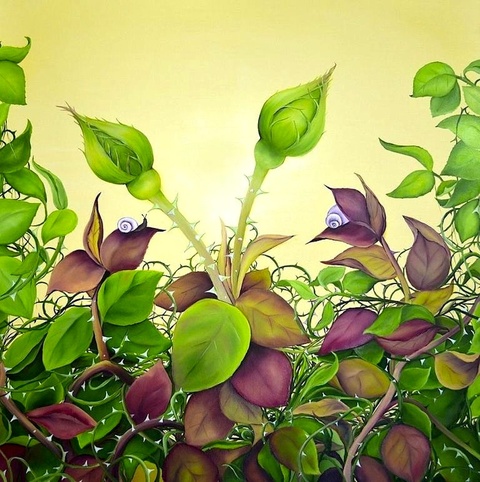
April Roses, 2013 - Oil on Canvas, 48" x 48"

April Roses, 2013 – Oil on Canvas, 48″ x 48″

These days, while I still love exploring vast forest and other pristine terrain, I have become most inspired  by urban nature – from cultivated gardens like the High Line and the New York Botanical Garden, to the wildest of plant life that seems to sprout everywhere throughout the city and streets.

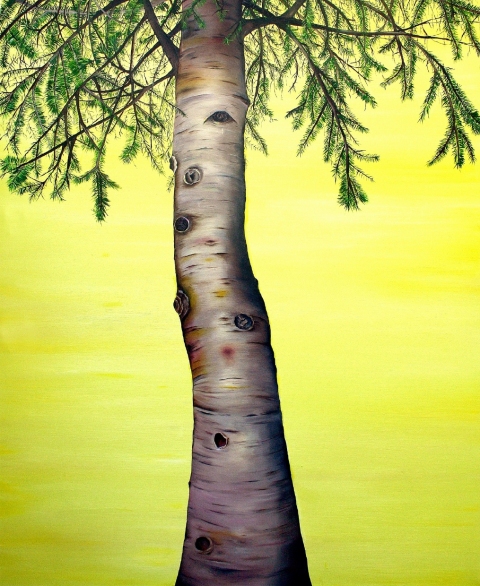
My inspiration often comes from the smallest details of a plant, such as the complex anatomy of a tiny, overlooked weed, the gnarled bark on an old, giant tree in the park, or those resilient vines growing up the sides of buildings in the summertime.

Eve, 2010 - Oil on Canvas, 30" x 24"

Eve, 2010 – Oil on Canvas, 30″ x 24″

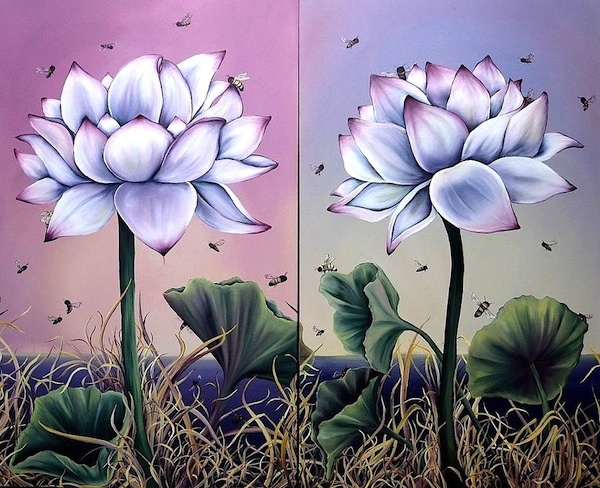
In my most recent paintings, I’ve also become fascinated with the delicate and complex reproductive relationships between plants and insects. A swarm of bees pollinating a pair of desirable lotus flowers, while mating snails hide within an ever-evolving rose bush are examples of new imagery in which I seek to capture the magical and surreal natural world.

In addition, I’ve become fascinated by the way all life forms change, evolve and become something very different along the way. “Everything Changes”, my latest series, documents different phases in a plant’s life cycle, along with depicting insect/plant relationships.

Pollinate Me (lotus flowers with pollinating bees) 2014, Oil on Canvas, 60"x72"

Pollinate Me (lotus flowers with pollinating bees) 2014, Oil on Canvas, 60″x72″

Nature is such an amazing, endless source of inspiration. And as humans are putting it in jeopardy in so many different ways, it has become an even more important subject in my mind. Whether it be to find beauty in a simple weed, cherish a neighborhood tree, or to realize the perfection of most common little bug,  I hope that my work can inspire someone to look at plant life and all of nature in a new way every day.

— Allison Green, Jersey City Artist


Lovers, 2010 - Oil on Canvas, 60" x 48"

Lovers, 2010 – Oil on Canvas, 60″ x 48″

Currently Allison resides and works in downtown Jersey City, where she creates large-scale oil paintings. Her first solo exhibition, “Deeply Rooted”, opened in March 2011 at Susan Eley Fine Art in New York City. A second solo show at SEFA, “Entwined”, opened in September 2012 and features a fully illustrated catalog with an essay by Lilly Wei. Green’s work is now included in the Brooklyn Museum Elizabeth Sackler Feminist Art Base, and her paintings were recently exhibited at PULSE NY in spring 2013.

Green holds a BA from the University of Maryland with a concentration in Fine Art and Women’s Studies. She also studied at Studio Art Centers International (SACI) in Florence, Italy in 1995.

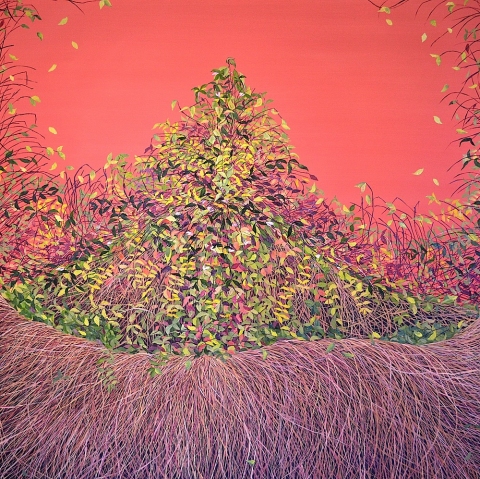
Sienna Thicket (Thicket #4) 2011, - Oil on Canvas, 48" x 48"

Sienna Thicket (Thicket #4) 2011, – Oil on Canvas, 48″ x 48″


06/18/14

Calling Amphibian Monitoring Project (CAMP)

The Conserve Wildlife Foundation of NJ coordinates the statewide Calling Amphibian Monitoring Program (CAMP). The object of this program is to assess the distribution, abundance, and health of New Jersey’s amphibians. This is part of a larger initiative called the North American Amphibian Monitoring Program (NAAMP) and the data collected in New Jersey will be submitted into the National database.

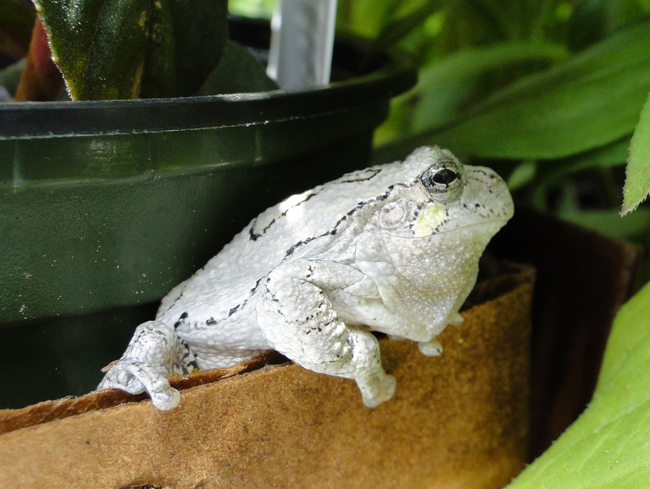
Gray-Tree-Frog-by-M-Patterson

Each of the 16 species of frogs and toads in New Jersey has a unique vocalization or “call” that can be heard during their mating season.

Here’s a list and call quiz of the Frogs in New Jersey:
Eastern Spadefoot (Scaphiopus holbrookii)
American Toad (Anaxyrus americanus)
Fowler’s Toad (Anaxyrus fowleri)
Northern Cricket Frog (Acris crepitans)
Pine Barrens Treefrog (Hyla andersonii)
Green Treefrog (Hyla cinerea)
Gray Treefrog (Hyla versicolor)
unknown gray treefrog species (Hyla chrysoscelis/versicolor)
Cope’s Gray Treefrog (Hyla chrysoscelis)
Spring Peeper (Pseudacris crucifer)
New Jersey Chorus Frog (Pseudacris kalmi)
American Bullfrog (Lithobates catesbeianus)
Carpenter Frog (Lithobates virgatipes)
Green Frog (Lithobates clamitans)
Wood Frog (Lithobates sylvaticus)
Southern Leopard Frog (Lithobates sphenocephalus)
Pickerel Frog (Lithobates palustris)

The Amphibians that are listed as Endangered or Threatened in New Jersey:

Endangered Amphibians
Salamander, blue-spotted – Ambystoma laterale
Salamander, eastern tiger – Ambystoma tigrinum
Treefrog, southern gray – Hyla chrysocelis

Threatened Amphibians
Salamander, eastern mud – Pseudotriton montanus
Salamander, long-tailed – Eurycea longicauda
Treefrog, pine barrens – Hyla andersonii
 

Volunteers participating in the CAMP project conduct roadside surveys (after dusk) for calling amphibians along designated routes throughout the state. Each 15-mile route is surveyed three times during the spring (March, April & June), during the given four week period. Each route has 10 stops, where you stop, listen and record for 5 minutes. A structured protocol is followed to determine which nights to survey, how long to survey, which species are calling, and how to estimate the total number of individuals calling at each site. All volunteers receive a Calls of NJ Frogs and Toads, CD with which to familiarize themselves with the calls.

The results of these surveys will provide ENSP (Endangered and Nongame Species Program) and the United States Geological Survey with valuable data on the calling amphibian populations in New Jersey. Because each route will be surveyed at the same time and for the same amount of time, routes can be directly compared within a given year and between years. This allows for trends in populations to be identified over time and if needed steps may be taken to protect these populations in the near future.

— Larissa Smith, Biologist/Volunteer Manager, Conserve Wildlife Foundation of NJ

06/12/14

Eco-Interview: Rosa Da Silva, Author of Jabujicaba, The Heart of Brazil

When was your organization founded? Please tell us a bit about its mission, goals…

Jabujicaba the book was published as an e-book at the end of April 2014. The paperback version is coming out this month. Behind it is an idea. Literally a ‘novel’ campaign.

On June 2nd 2014 the not-for-profit company Voices for Nature Limited was incorporated. This takes the campaign forward beyond the life-span of the book.

The people working on this creative project are young and green and Indie… but the ideas behind all this are long in the tooth.
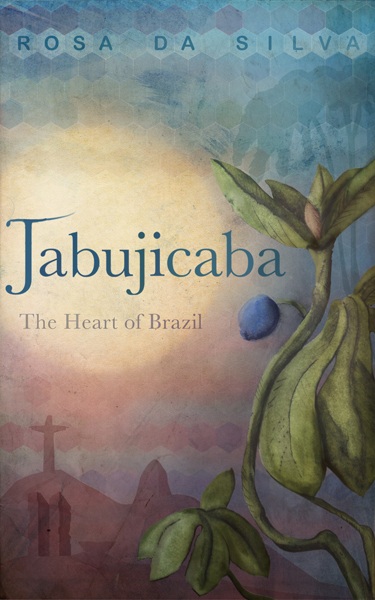
 Jabujicaba by Rosa da Silva

What is your educational background and what led to creating this organization?

I am half German and half English. I grew up always on the move. I have lived in many different countries, including the US where both of my children were born. I speak lots of different languages. I would say I grew up with strong feelings for nature and none for national affiliations.

I studied Modern and Medieval Languages at Cambridge University (Spanish and German). It helps to explain my love for magic realism – Garcia Marques, Isabel Allende – Latin American authors – and German writers like Kafka and Brecht and socialist political art eg: George Grosz and Kaethe Kollwitz.

I worked in the environmental area for many years, with a professional background in policy, communications and campaigning. I was involved in the early days when social/human rights, economic and environmental agendas were merged into ‘sustainability’ – an unimaginative word. I have worked in many countries including Brazil and Africa.

Politically, I believe in intervention in the markets for the good of others. I think a civilized society needs to ensure fair and equal outcomes, not just opportunities (which we know not everybody is able to take advantage of). I believe people must always be intellectually curious and be free to question. I believe in activism and not turning a blind eye or the other cheek. I believe in courage. In the separation of church, judiciary and state.

Over the decades there has been no real progress on climate change or conservation. Climate change continues on the up and so does species extinction. Something is clearly not right about how we are trying to tackle these problems – we know so many facts, we can measure the path we are on and predict where we are going. As a species, human beings need to reconnect with all living creatures and realise our inter-dependence.

I think we can find the right path by re-engaging people emotionally so they feel part (and not in charge) of the natural world.

That is the impulse behind Jabujicaba the book and setting up Voices for Nature. But it is not just a feeling, it is a process of political engagement (with a small ‘p’).


What are some challenges you have faced and how did you deal with them?

Pursuing fairness is a huge and continual challenge in everything I have done in my varied professional career. I was always standing up and arguing with ‘authority’ whether it was with a teacher at school or bosses at work.

Being heard in all the noise of a global market place, which is a Babel, is a big challenge.

The only way forward is to keep repeating yourself and remembering core values and the goal ahead. But you can’t get to where you are going alone in life. You need the help of others. You need to inspire and lead and to do that you need to be empathetic and kind.
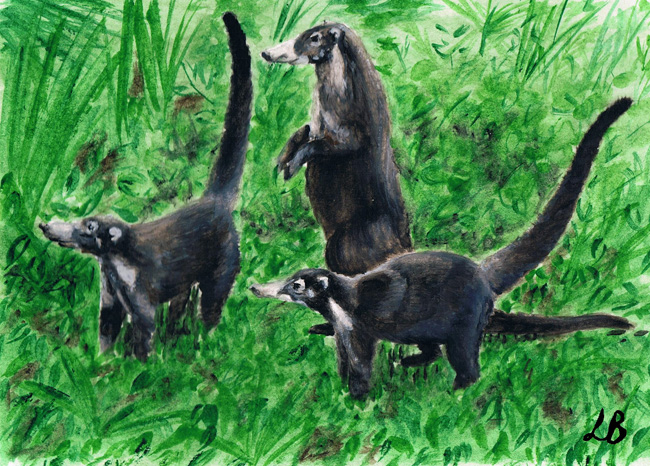
 white-nose coati from Jabujicaba

What can people do to help? Donate, and contribute to your cause? Other ideas?

I don’t want the interview to be about selling an idea or a project. It is for people listening to ask their own questions and maybe find some of their answers are aligned with mine. Then they might want to find more about what we are doing and help. They could maybe read the book. It has had good reviews.


How do you reach your targeted audience? Is it through your website, advertising or social media or another route? Which is most effective and why?

All possible routes are tried and taken, although we are trying to work bottom-up, Indie in everything. We wouldn’t say ‘no’ though if Harrison Ford stepped in to help our ambitions for a green Indiana Jones film! Sometimes ‘top down’ or celebrity endorsement can help you to get where you are going (although it is not without its dangers). Certainly we are using social media and word of mouth.


How do you keep the audience engaged over time?

By being happy, having fun, with lots of variety. Everything we do also has to ring an inner chord with the target audience of what really matters, the meaning of our existence, not just our individual life. Jabujicaba is not about simply ‘entertainment.’ Through our website we hope to engage people in other areas of their life – to campaign or to study or volunteer – or even just to take their children to the zoo but with a changed heart.


Tell us about your events around the world and some of the campaigns you have started.

When we made Jabujicaba the book available as a free download to test the audience, we found there was interest all over the world. About 700 copies were downloaded in 5 weeks.Take up is a lot less now, it costs a couple of dollars… We are still at the beginning of our journey.

Our campaigns, if you can call them such, involve around engaging with the books various stakeholders through interviews which explore the relationship between fact and fiction in the book. For instance, in the area of anthropology, with an anthropologist from Oxford University. Or in politics, with a green politician who did a ‘prequel’ meeting one of the characters in my book as a young man. Marco, who is the president of Brazil.

The focus of these interviews has been local and in the UK. We have tried to engage a little in the US, so far without success. It is hard not being there and time constraints mean you stay close to home.

Also the book is in English at the moment which restricts its target audience.
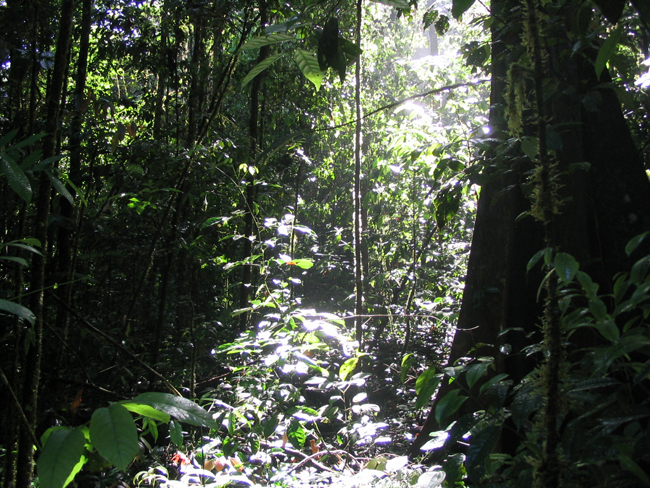
 rainforest in Brazil

What is in the works for the future? What haven’t you yet tackled, but will want to do soon?

We are working on Jabujicaba the film and progressing step by step. Jabujicaba as a ‘novel’ campaign is timed to coincide with the World Cup and Olympics in Brazil. After that, we plan Voices for Nature to kick in with our film initiative. Through film we will reach a much larger audience with our messages.

Longer term, we would like to fund and reward young people’s creative projects for rainforest conservation, using royalties from the book/film – a bit like Sophie’s World – and grow to a forest (metaphorically and literally).


Bonus!

Jabujicaba is about diversity in our own societies too – and social justice. We need to tackle these issues too.

All on www.jabujicaba.net – but also @ArchieAiredale (my dog!)