04/6/15

The Benefits of Frogs in Your Garden

Frogs and toads, just like so many other animal species, are suffering a decline in numbers. This is due to environmental problems, climate change and human factors and show that the changes we are seeing in the environment are signs that something is wrong.

What many people should realize is that frogs need to be viewed as an important part of the ecosystem.

The Benefits of Frogs in Your Garden

Frogs and toads are not only very beautiful and diverse (Frogs per Wikipedia – approximately 4,800 species); they can also prove to be very beneficial for your garden.

  • Every ecosystem is comprised of multiple species that create a chain. It is what keeps the balance in nature and what maintains life as we know it. As such, frogs and toads have their place under the sun and should be protected. This is the reason why you will do very well to ensure that frogs can find shelter in your garden. If you provide the right conditions and features for these amphibian creatures, they should appear.
  • Frogs are good bioindicators. There is a lot that you can learn from the frogs in your garden. Frogs can show you that something is wrong in the area, or if they are happily breeding and living in the area, then everything should be okay. If you are dedicated and want to have a perfect garden, you can use the indications from frogs to know if the conditions in your garden are good, or if the frogs that used to dwell there suddenly go missing, you will know there is a disturbance.
  • Pest control – frogs are amazing at cleaning the garden from harmful insects. If you are having such problems, you can easily eliminate them by introducing frogs among your plants. A single frog can eat over 100 insects, such as caterpillars, sow bugs and cutworms and more. These can destroy your entire garden if left unchecked. With frogs around, you won’t need to use harmful pesticides, either.

Toads and frogs can be one of the best solutions for your garden. Not only will you have a garden safe of bugs and insects, but you will also have very pleasant amphibians hopping around.

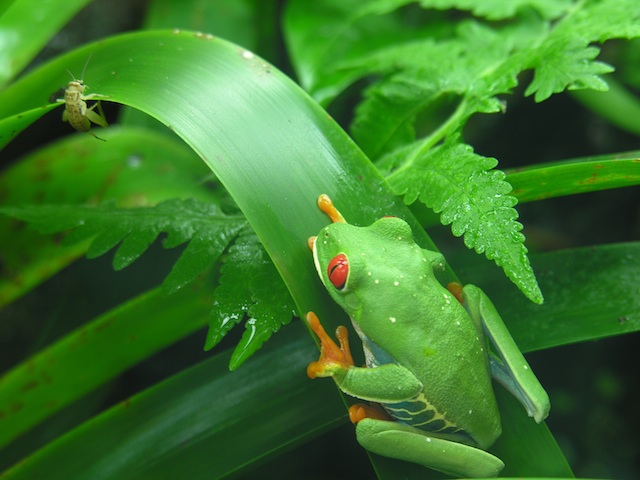
Tree Frog and Bug from EarthRangers.com

Tree Frog and Bug from EarthRangers.com

Guest post by Ella Andrews granted on behalf of: an excellent cleaning in Ruislip.

02/8/15

Frogs and Water Quality

Yesterday, in class with the Cloud Institute and Sustainable Jersey (NJ Learns), each student got to briefly share their project, so I was describing the Frogs Are Green mission and projects on the agenda for 2015.

My teacher Jaimie P. Cloud, challenged me with this question. “Much of what Frogs Are Green is about is bringing awareness to the public, but is there a change I want in the public’s behavior?”

It made me think about one specific area that we can focus on which would help frogs and amphibians as well as other wildlife and humans, and that is water quality.

We know that there are many issues, such as, pollution and oil spills, pesticides and other toxins, pharmaceuticals, and these aren’t just affecting wildlife, but us as well. It’s humans that are creating many of these problems, so it’s obvious that we must be the ones to correct it.

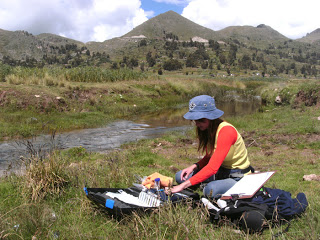
testing water quality

I did a search on Google for Frogs and Water Quality and was surprised to learn there is currently no standard for water quality as it applies to frogs and amphibians:
“The factors thought to be contributing to declines in frog populations include habitat loss, introduction of exotic species, overexploitation, disease, climate change, and decreasing water quality. With respect to water quality, agroecosystems use 80-90% of the water resources in the western United States, frequently resulting in highly eutrophic conditions. Recent investigations suggest that these eutrophic conditions (elevated pH, water temperature, and un-ionized ammonia) may be associated with frog embryo mortality or malformations. However, water quality criteria for frogs and other amphibians do not currently exist. Here, we briefly review data that support the need to develop water quality parameters for frogs in agroecosystems and other habitats.”
(from this website: PMC1519110/http://www.ncbi.nlm.nih.gov/pmc/articles/PMC1519110/)

What this tells me is that currently the water quality is tested to make sure it’s safe for humans, but there are no regulations in place for it to be safe for wildlife? Doesn’t it matter that it’s healthy for all life?

I’ll be reading much more on this issue and would like to invite you to share your thoughts or links to additional documentation you may have found.

Here’s a video I’d like to share because it shows just how important it is to educate the young with hands-on education from Marie Hartford, Science, 5th Grade Teacher and her students in Redmond, WA on the Teaching Channel about “Measuring the pH as it Relates to Water Quality.”

10/9/14

Robin Moore, Conservationist, Photographer and Author of In Search of Lost Frogs

Exclusive!

Tune in tomorrow, October 10, 2014 at 3pm EST and meet…

Robin Moore, conservationist, photographer and author of “In Search of Lost Frogs.”

*** Now Replaying *** The podcast interview is here:
Webcast: Robin Moore interviewed by Susan Newman

Follow the event and comment on Facebook:

Robin Moore Interview on Facebook with Susan Newman (aka Suzy Brandtastic)

Robin Moore, Conservationist, Photographer, and Author of In Search of Lost Frogs

About Robin Moore:

Robin Moore is a conservationist, photographer and the author of In Search of Lost Frogs (In Search of Lost Frogs).

Since gaining a PhD in biodiversity conservation, Robin has been a powerful voice for amphibian conservation.

He is a Conservation Officer with Rainforest Trust, Global Wildlife Conservation and the Amphibian Survival Alliance, the largest global partnership for amphibian conservation.

He is a proud Senior Fellow of the International League of Conservation Photographers (www.ilcp.com), represented by National Geographic Creative, and recently Co-Founded Frame of Mind (www.frameofmind.org), an initiative that empowers youth around the world to connect with their natural and cultural worlds through photography and visual.

_____________________________________

About Suzy Brandtastic interviews:

Susan Newman, an environmentalist and brand visibility designer knows how important it is to tell your “why.” Susan hosts a podcast series, live action video series and a written interview series, all featuring environmentalists, innovators, creatives and small business owners.

11/17/13

Environmental Attorney and Amphibian Activist Talk Issues on Techno Granny Radio

Two weeks ago I was asked to talk about environmental issues on the Techno Granny’s radio show along with Tamar Cerafici, an environmental attorney based in New Hampshire. This show covered many topics under the title “10 Plus Technologies that will help you go green and conserve the environment.”

Some things we discussed:

  • Why frogs are threatened with extinction and the number of issues they’re facing
  • How industries such as paper mills are polluting the water which is affecting frogs and possibly humans
  • Why we should always use FSC (Forestry Stewardship Council) certified paper
  • Can technology really help you go green? Can an attorney really be an environmental advocate?
  • Working in the cloud and how this technology is saving the environment, such as Dropbox, Google docs, iCloud and Evernote, because you can use and access from anywhere
  • How to have a paperless office and how courtrooms are embracing this new technology

11/4/2013 – Link to Techno Granny Radio Show – Environmental Attorney, 1 Activist, 10 Green Technologies

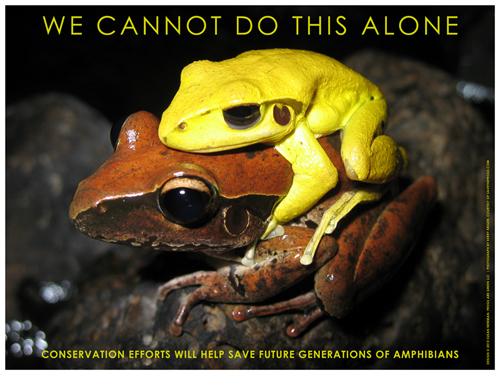
Frog conservation poster

Tomorrow morning  (11.18.2013) we will meet for round 2! Tamar and I will join the broadcast again at 10 am EST, after the Techno Granny (Joanne Quinn-Smith) received so many comments asking us to talk about additional topics.

Some of the topics to be discussed:

  • The effect pesticides have on the environment (pollution): water, animals, soil, humans
  • Atrazine: The 21st Century’s DDT (Roundup)
  • Chlorothalonil is the most commonly used synthetic fungicide in the USA, commonly applied to peanuts, tomatoes and potatoes. (what are we eating?)
  • Alternatives to using Pesticides, Green Farming?
  • Organizations talking about this and trying to spread awareness. (Save the Frogs, National Pesticide Information Center, U.S. Fish & Wildlife Service, Environmental Protection Agency and Frogs Are Green)

Resources for more information:

http://npic.orst.edu/envir/

http://www.fws.gov/contaminants/Issues/Pesticides.cfm

http://www.epa.gov/pesticides/ecosystem/

http://savethefrogs.org

07/4/13

Frogs Crossing the Road in the Rain

Rio Grande Leopard Frog by Sara Viernum

Rio Grande Leopard Frog by Sara Viernum

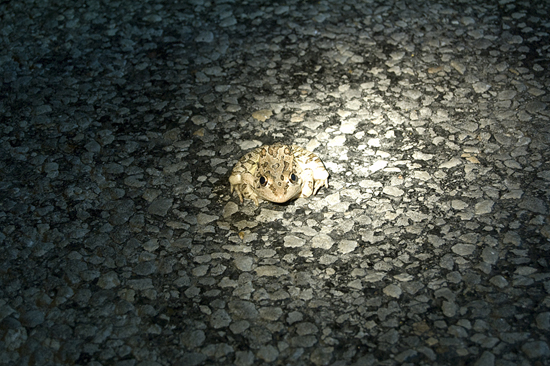
A frog fan, Brian, emailed about the frogs in his area crossing the road when it rains, and I asked a few experts to advise him. We all agreed to share this content so you can know what to do in your own area.

Brian asks:
To reiterate our conversation, there is an ecosystem in and around the Salt Pond community in Bethany Beach DE, which subsequently is intertwined by a few roads. There is one particular stretch of about two blocks where, like clockwork, when it rains the frogs cover the street. It seems to be two species doing this; the bull frogs and little peepers. I did a rough estimation of about 125 of these frogs are being killed by car traffic every time it rains. That’s roughly 4000 per summer season. What is it about the rain that draws these frogs to the pavement?  And what practical solution can be done to lessen the slaughter?

Best regard, Brian H.

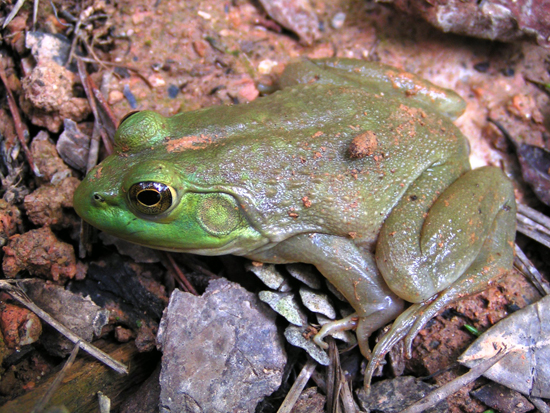
Bullfrog by Sara Viernum

Bullfrog by Sara Viernum

Two responses from the experts:

Hi Susan and Brian,
Happy for others to chirp in as well, but the frogs are not so much attracted to the pavement, but the rains signaling the fact that its time to breed!  So when this happens the frogs migrate from where they live their everyday lives to a suitable breeding site, which hopefully still exists.  I’ve seen cases where the traditional ponds have been turned into carparks or shopping malls and all the frogs turn up and say “WTF?” And inevitably die.  There is another explanation and that depends upon the size of the frogs – if they are adults then the above explanation is probably true, however if they are metamorps or juveniles then its quite likely this is a mass migration AWAY from the breeding site of newly developed froglets to find a good place to live and the only way they can avoid drying out on the hostile pavements is to travel when it rains.

OK – what can be done to save them?

People try many things, during rainy days you can get volunteers to help the frogs across the roads, you can put signs up to warn motorists and tell them to be careful, you can close the roads – all these have differing successes depending on manpower, but the best solution is to advocate for some frogs tunnels and drift fences to be installed.  Essentially you erect a barrier, which for these species would need to be carefully constructed as peepers can climb very well and bullfrogs can jump very well, and these barriers prevent the frogs from crossing the road and direct them to an underpass where they can cross the road safely (obviously the same needs to happen on the other side so that they don’t get squashed coming back).  Having said all this, both the species mentioned are fairly common species and are not under threat (although it would be good to get their ID professionally confirmed) and are not in decline – at the moment, so it would be difficult to motivate city councils or governments to take action for a fairly common species.  But its great that Brian wants to do something an it would be great if Kerry Kriger (Save the Frogs) or I can help.

All the best

Phil Bishop
Associate Professor
Chief Scientist
Amphibian Survival Alliance
asa logo


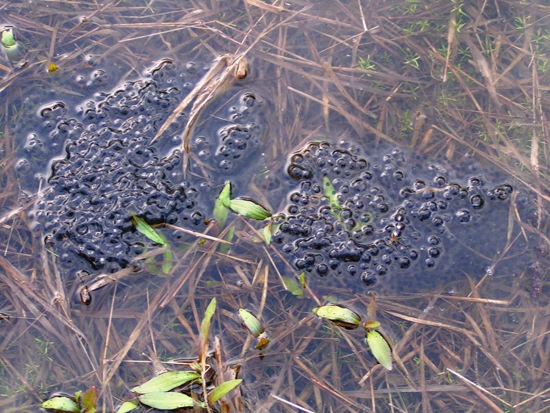
Ranid Eggs by Sara Viernum

Ranid Eggs by Sara Viernum

Brian,

Susan with Frogs Are Green forwarded your e-mail to me.  Roadways are a huge problem for herpetofauna as you’ve found out.  The frogs are mostly likely coming out on the roads during rainy nights to move to breeding grounds or in search of food.  Frogs love rainy nights and move around a lot during them.  Some possible solutions to help save the frogs are to petition the city and or your local Fish and Wildlife/Dept of Natural Resources office to install frog crossing signs and get the speed limit lowered and/or to install fencing that diverts the frogs to an under road crossing (if one is nearby).  If this is a little used road you might asked that it be closed during certain seasons like the famous snake road in the Pine Hills in Southern Illinois that is closed twice a year to allow rattlesnakes to migrate.  Another possibility is to start a citizen group that devotes time to cruising the roads on rainy nights saving the frogs.  I’ve heard of a few areas in the US where people do this.

Thanks for being concerned about the frogs.

Cheers!

Sara Viernum, The Wandering Herpetologist

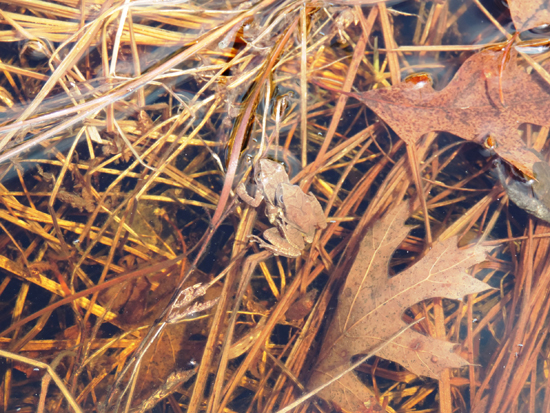
Spring Peepers by Sara Viernum

Spring Peepers by Sara Viernum

06/18/13

SALAMANDERS IN CRISIS! An Overview of Why Salamander Conservation is Needed

Guest blog by Matt Ellerbeck, founder of Save the Salamanders

Although they are rarely given much thought, and often overlooked when they are, salamanders are in a terrible crisis. Around half of all the world’s salamander species are listed as threatened by the International Union for Conservation of Nature (IUCN). These species are all facing a high risk of extinction. A further 62 species have been designated as near-threatened with populations rapidly dwindling. This means they are quickly getting closer to threatened status and to the brink of extinction. Sadly for some salamanders it is already too late, as both the Yunnan Lake Newt (Cynops wolterstorffi) and Ainsworth’s Salamander (Plethodon ainsworthi) have already gone extinct.
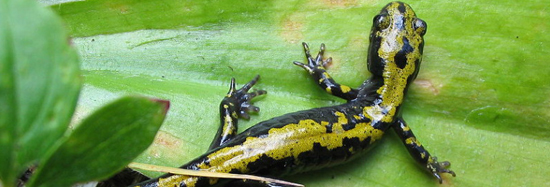
save the salamanders Salamanders have been on the earth for over 160 million years, and the terrible state that they now find themselves in is due to the detrimental acts of humans. Even those species that are not experiencing population declines deserve attention and conservation to ensure that they remain healthy and stable.

One of the biggest issues affecting salamanders is the loss of their natural habitat. Many areas that were once suitable for salamanders to live in have now been destroyed for developmental construction and agriculture. Habitats of all kinds are being lost at an alarming rate. Wetlands are drained, forests are logged and cut down, and waterfronts are developed. Salamanders are literally losing their homes and they are losing them rapidly. The expansion of urban areas threatens the suitable habitats that still remain.

Where natural habitats do still exist, they are often fragmented or degraded. Fragmentation occurs when healthy areas of habitat are isolated from one another. These fragmented areas are known as habitat islands. Salamander populations are affected since gene flow between the populations is prevented. This increases the occurrence of inbreeding, which results in a decrease in genetic variability and the birthing of weaker individuals.

Fragmented populations where inbreeding occurs often ends in a genetic bottleneck. This is an evolutionary event where a significant percentage of the population or species is killed or otherwise prevented from reproducing. Habitat fragmentation is also harmful because it often eliminates crucial requirements in the area which are critical to the survival of salamander populations. Such areas include spaces that can be utilized for thermoregulation, prey capture, breeding, and over-wintering. Without such habitat requirements populations dwindle.

Breeding sites, often in the forms of vernal pools are particularly important. The loss of such areas in the form of habitat destruction can negatively affect the entire population and its reproductive output. According to the Committee on the Status of Endangered Wildlife in Canada (COSEWIC), there is some evidence that certain salamander species have individuals that return to the pond in which they were born once they reach maturity. Therefore, destruction of a breeding pond may result in loss of the entire population returning to that site. Habitat complexity is also important as it offers shelter to salamanders from both predators and human persecution.

Degradation occurs when the natural habitat has been altered and degraded to such a degree that it is unlikely that any remaining salamanders species would be able to survive. Developments and agriculture near fragmented habitats put salamanders at serious risk. As amphibians, salamanders have extremely absorbent skins. Industrial contaminants, the introduction of sedimentation into waterways, sewage run off, pesticides, oils, and other chemicals and toxic substances from developmental construction sites and human settlements can all be absorbed by salamanders. This can quickly lead to deaths. They can also cause widespread horrific deformities to occur. A study conducted at Purdue University found that out of 2,000 adult and juvenile salamanders 8 percent had visible deformities.
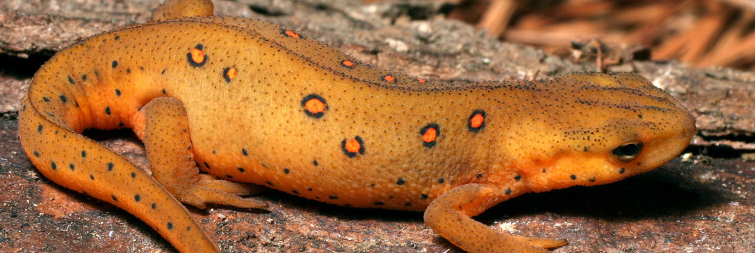
save the salamanders

According to Save The Frogs, Atrazine (perhaps the most commonly used herbicide on the planet, with some 33 million kg being used annually in the US alone) can reduce survivorship in salamanders. Many products are sold with the claim that they are eco-friendly. However, these should be viewed with caution. For example, according to N.C Partners in Amphibian and Reptile Conservation, Roundup and many other surfactant-loaded glyphosate formulations are not labeled for aquatic use. When these formulations are applied to upland sites according to label instructions, the risk to surfactant-sensitive species is considered low. While this may be the case for fish it does not necessarily apply to amphibians. Salamanders that breed in water also routinely use non-aquatic areas and could easily be exposed to glyphosate formulations that contain harmful surfactants through direct application and not just incidental drift.

Habitat destruction and degradation can also effect the availability of prey items, causing unnatural declines in appropriate food sources.

Habitats are often isolated and cut off from one another by the roads and highways that now run through them. Countless numbers of salamanders are killed on roads and highways every year when they are hit by vehicles. Salamanders that are migrating to breeding and egg-laying sites often must cross over roads to reach such areas. Here many of the mature members of the breeding population are killed. Removing members of the breeding populations greatly limits reproductive output, this makes it incredibly hard for salamander numbers to rebound.

Roads present an additional problem because they represent a form of habitat loss. The roads that run through natural areas also fragment the existing populations, drastically making them smaller in size. This limits the gene flow and genetic diversity between the isolated populations on either side and this greatly increases the chances of extirpation. When salamanders attempt to cross roads to travel between the populations, or to critical breeding/birthing sites it greatly increases their chances of being hit and killed by vehicles.
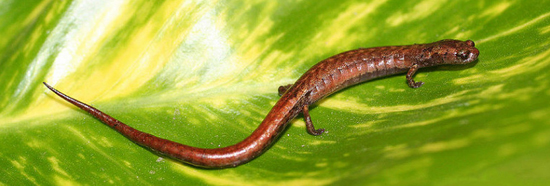
save the salamanders

The Wetlands Ecology and Management (2005) population projections for spotted salamander (Ambystoma maculatum) life tables imply that an annual risk of road mortality for adults of greater then 10% can lead to local population extirpation. Unfortunately, it is estimated that mortality rates can often be as high as 50 to 100%, which means populations are at extreme risk of extirpation and extinction due to road mortality. Wyman (1991) reported average mortality rates of 50.3 to 100% for hundreds of salamanders attempting to cross a paved rural road in New York State, USA. Given that this figure pertains to a rural area from over a decade ago, it is fair to assume that even higher mortality rates occur as their has been in increase in cars and roads over the years. Reducing road mortality is paramount to preserving salamander species.

Being hit and killed by vehicles is not the only threat that roads create for salamanders. Chemical run-off from vehicles contaminate roadside ditches and pools. These sites are often utilized by salamanders for breeding and birthing. According to Steven P. Brady (2012) survival in roadside pools averaged just 56%, as compared to 87% in woodland pools. Thus, an average of 36% fewer individual embryos survived to hatching in roadside versus woodland pools.

Salamanders are also threatened when they are harvested from the wild. Salamanders are taken for the pet trade, for food markets, and for use as fishing bait.

There is much about salamanders that scientists do not know. Aspects of the biology, ecology, and lifestyles of many species is a mystery. This undoubtedly means human interference is negatively affecting salamanders in ways in which we don’t even know. The intricate relation between all species and the vital roles they play within eco-systems is also being altered. Such alterations can have serious consequences to not just salamanders, but many other animals as well (including humans).

To find out how you can help please see: www.savethesalamanders.com
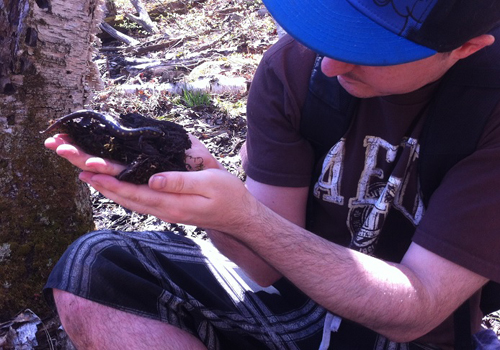
Matt Ellerbeck - Save the Salamanders

About Matt Ellerbeck and Save the Salamanders:

Over the years he has observed hundreds of salamanders in their natural habitats. This interest eventually led to Matt becoming a Salamander Advocate and Conservationist.

Matt also has considerable experience and expertise in regards to salamanders and their care. He has cared for and observed numerous species. These include forms belonging to the genera Plethodon, Ambystoma, Necturus, Notophthalmus, Hypselotriton, Pleurodeles, Taricha, Salamandra, Hemidactylium, Eurycea, Pseudotriton, Amphiuma, Siren, and Paramesotriton. Matt is also in possession of a license to keep Specially Protected Amphibians in Captivity for the purpose of education, which has been granted by the Ontario Ministry of Natural Resources.

Along with wildlife preservation, Matt also believes in the ideals of Environmentalism, Deep Ecology, Biocentrism, Ecocentrism, and anti-Speciesism; and draws from these various movements to help salamanders.

Matt is committed to continuing his efforts to help salamanders. His love and concern for these animals is second to none!