11/3/13

2013 Kids Art Contest Hosted by Frogs Are Green

Calling All Kids ages 3-12! – The 4th annual 2013 Frogs Are Green Art Contest

Contests officially opened on July 20th, 2013.

Kids art contest 2013
Last year we received over 260 entries from kids around the world, and the year before over 500! As always, we are so impressed by kids’ creativity and imagination and the variety of ways they express themselves: in crayon, watercolor, colored pencil, clay, 3D sculptures, dioramas, murals, mosaics, and mixed media.

We will award winners based on age in these age groups: 3-6, 7-9, 10-12. We also added a few new categories last year, Best 3D, Most Unusual Artwork, best Environmental, and this may expand depending on what we receive. The 1st place winners will receive a Frogs Are Green Poster of their choice from our store. All kids receive a certificate via download on our site.

Our 2013 campaign to help frogs! As part of the campaign we’re excited to announce the 4th FROGS ARE GREEN art contest for kids.

Contest theme:

How Will YOU Help Save Frogs and Amphibians!

Your artwork can be about frogs/amphibians and how you (or all of us) can help them.

Deadline for submissions is December 15, 2013 and the winners will be announced January 21, 2014. The winners will be featured in a post.

We’re looking for drawings, paintings, sculpture, collage, or whatever format helps you express yourself.

This year we have a new contest area using Flickr, where you can enter yourself.

There are three different group pools, so be sure to enter your photo/artwork into the right group pool.

Frogs Are Green 2013 Kids Art Contest

For the Kids’ Art Contest, you must add a caption, with your Name, Age, and Country (and a caption if you like) or your submission will not be added.

Please print out the attached flyer to post in your neighborhood schools.

We can’t wait to see your artwork!

10/16/13

Feeding the Birds for Fall Migration

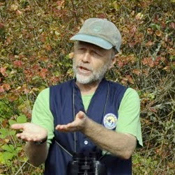
Guest blog by Ernie Allison

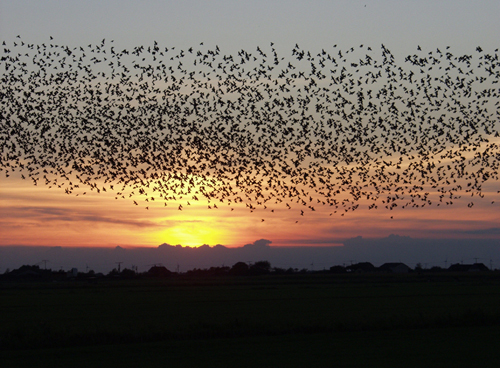
bird migration in sunset sky

Fall migration is a beautiful time to watch birds form large flocks and travel conspicuously across the land. This is a time when birds need a lot of energy, and will actually change their diet to increase their calorie intake. There are a lot of things we can do to help.

Before I start, no my friend, feeding birds does not usually affect bird migrations. Now that we have that out of the way, here are a number of things everyone should know about birds and bird feeding in this season.

Squirrels are Greedy Hoarders

If you’re planning to feed birds this fall, your greatest enemy is the evil squirrel. These cunning critters can figure out how to break into pretty much any feeder and they will just take it all and hide it away. Squirrels don’t know how, or simply don’t care, to share with anyone or anything. Don’t let yourself be moved to pity by their fluffy tails and cutesy mannerisms. They probably all have several winters worth stored up already. Invest in a squirrel proof bird feeder so that the birds have something to get them to the south.

Birds are Independent

You don’t need to worry about accidently domesticating a bird or causing dependence. Birds prefer to find their own favorite treats, especially insects and berries, and will supplement, not replace their diet, with the seeds and fats you offer in your feeder. So feel free to offer a way station on the long journey to their winter homes.

Birds are not Handicapped

For whatever reason, some people are afraid that birds just cannot handle eating sticky goo, like peanut butter. That isn’t true. Birds are perfectly capable of eating delicious slop, just like everybody else. In fact, the fat and protein in peanut butter is exactly what birds need to help them survive the taxing fall migration, so don’t be shy about mixing peanut butter in with your bird seed.

What you should be careful about is providing the regular over salted peanut butter that we enjoy so much. That isn’t good for anyone, us or the birds, so get something with less additives.

Easy feeding

You don’t even have to go buy a bird feeder to be helpful. After breakfast, grab all the leftover crumbs from your cutting board and plates, soak them in the leftover bacon grease, and throw it outside. The birds will find it and be glad for it.

Be messy in your garden. Let the leaves lie for a while so the bugs come and live in them for the birds to find and eat.

As a special bonus, birds will remember your location for next year, and return for another taste, so you can get another good look and maybe a nice picture.


Ernie Allison

About Ernie Allison

Ernie Allison lives in beautiful Idaho. He strongly believes in wildlife conservation and spreading awareness to issues concerning birds and nature in general. He writes extensively about nature all across the internet, and you can find his other works here.

10/3/13

Protecting the Unique Frogs of Andasibe, Madagascar

Devin EdmondsGuest post by
Devin Edmonds,
Amphibian Conservation Director, Association Mitsinjo

It doesn’t get much better than a going into the forests of Andasibe at night.  There are leaf-tailed geckos, mouse lemurs, sleeping chameleons, and frogs. Lots of frogs. More than 100 different species, in fact, which have been identified in the surrounding forests. This is more than a third of all described frog species on the island.

Most of these frogs are nocturnal, but a few are also active during the day, like the Critically Endangered golden mantella (Mantella aurantiaca), which is only found in a small area near Andasibe in east-central Madagascar.

The conservation organization Mitsinjo works in the area around Andasibe, and is composed of 53 members of the community.

Our activities include:

  • Habitat management
  • Research
  • Nature-based tourism
  • Reforestation
  • Captive breeding
  • Environmental education

A group of our projects are targeted specifically at monitoring and addressing the threats our unique local frog species face. This includes the development of Madagascar’s first biosecure captive breeding facility capable of establishing assurance survival colonies of threatened amphibians.

Additionally, we conduct surveys to monitoring for declines and population changes. This activity compliments participation in a nation-wide early detection plan for the chytrid fungus Bd, the devastating pathogen contributing to alarming amphibian extinctions around the world. Fortunately, so far we have not detected Bd in Andasibe and reports elsewhere in Madagascar remain highly doubtful and unconfirmed.

Recently, Mitsinjo joined forces with the NGO Madagasikara Voakajy to contribute to the national conservation strategy for the golden mantella. Each month, we monitor three breeding sites at Torotorofotsy Wetland. This area is under tremendous pressure from artisanal gold mining, slash-and-burn agriculture, and charcoal production. Our habitat patrols help to ensure the breeding sites for this highly threatened amphibian remain intact.

To learn more about our organization like us on Facebook (www.facebook.com/Mitsinjo) and visit our website www.mitsinjo.org. For more information on amphibian conservation in Madagascar see www.sahonagasy.org
 

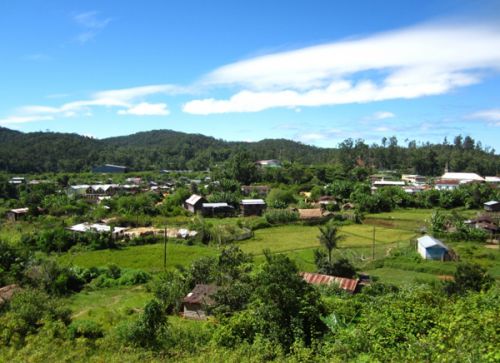
Andasibe Village

Andasibe Village, Madagascar

boophis luteus in amplexus

boophis luteus in amplexus

Captive breeding facility - Mitsinjo

Captive breeding facility - Mitsinjo

Captive breeding facility inside view - Mitsinjo

Captive breeding facility inside view - Mitsinjo

Mantella aurantiaca breeding site patrol at Torotorofotsy Wetland

Mantella aurantiaca breeding site patrol at Torotorofotsy Wetland

Mitsinjo swabs captive frogs for Bd

Mitsinjo swabs captive frogs for Bd

Mantidactylus species near Andasibe

Mantidactylus species near Andasibe

Mantella aurantiaca of Mitsinjo

Mantella aurantiaca of Mitsinjo

Andasibe-village thumbnail
OLYMPUS DIGITAL CAMERA thumbnail
captive-breeding-facility-mitsinjo thumbnail
captive-breeding-facility-inside-mitsinjo thumbnail
mantella_aurantiaca_breeding_site_patrol_at_Torotorofotsy_Wetland thumbnail
mitsinjo_swabs_captive_frogs_for_Bd thumbnail
mantidactylus_species_near_Andasibe thumbnail
OLYMPUS DIGITAL CAMERA thumbnail

08/21/13

7 Ways To Make Your Garden A Paradise For Wildlife

Guest post by Ricky Peterson

One of the joys of having a garden in summer is being able to observe wildlife close up. Whether you’re a bird lover or a fan of butterflies, we can all enjoy watching our feathered, furry and many-legged friends in our own back yard. But how can we attract them to our garden?
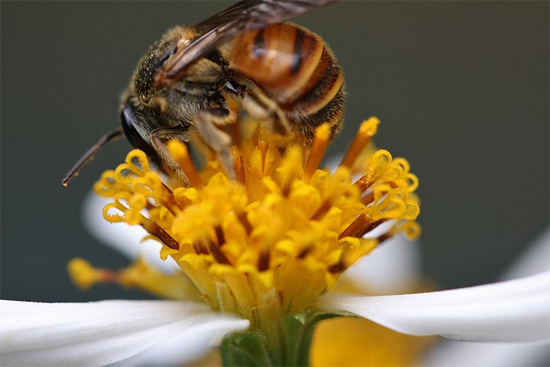
bee on flower wikicommons images

The key to making your garden attractive to wildlife is creating a comfortable habitat for them. Here are a few tips to do just that:

Home, tweet home

We all need somewhere to hang our hat, and animals and insects are no different. Set up a bird house in the spring, and you might just be rewarded with a family settling down for the summer. But birds aren’t the only ones who need somewhere to stay – bee houses are also available now, which is great news for our declining bee population.

Also, for an incredibly easy to set up and inexpensive shelter for a range of wildlife, simply lay some logs in a corner of your yard – and don’t bother tidying up fallen leaves. This will provide a home for lots of insects, which could help to eat pests as well as providing a tasty treat for birds. Also, mammals can use the leaf cover to hide food during the winter.

Food, glorious food

Speaking of tasty treats, you can help further on that front. There are lots of mixes of birdseed available, but if you’d like to try to attract a certain type of bird or other animal, try the following.

  • Mealworms – house sparrow and shrews
  • Peanuts – great spotted woodpecker and badgers
  • Fat balls – blue tit and great tit
  • Nyger seed – siskin and goldfinch
  • Sunflower hearts – bullfinch
  • Dog food – hedgehog
  • Root vegetables – deer


Think carefully about how suitable your garden is for wildlife before you try to attract animals there – are your neighbours as keen as you? Will there be busy roads that could cause danger?

Scrub up well

Ponds and birdbaths are a lifeline for many animals. As well as the fish who might live in your pond, birds can drink the water and use it to bathe, and of course frogs and toads will love the environment.

Blooming lovely

If you want to help the bee and butterfly population to thrive, it’s vital to have both early- and late-flowering plants so that our winged compatriots have plenty to feed on throughout the season. Try some of the following:

  • Spring: primrose, damson and blueberry
  • Summer: chives, dahlia and hardy geranium
  • Autumn: common ivy, sunflower and strawberry tree
  • Winter: clematis, crocus and honeysuckle


Leave the lawn

Fed up of mowing the grass every week? You officially have a valid excuse for not bothering! As well as the wildflowers that may pop up, a long lawn is a great haven for lots of wildlife. Insects will love it in the summer, and it may come in useful over winter for hibernating mammals.

Of course, you don’t need to let nature take over completely
even just a small patch will make a difference

Toxic love

Chemicals are not the friend of wildlife – as well as killing off the pests, they can harm or even kill the predator. If you’ve used chemicals in your garden but want to cut back, have patience. If your garden is varied enough, the predators should keep the pests in check, but you need to allow time for the ladybirds to return before you go spraying those aphids (and killing off the ladybirds, too).

Live and let live

Most importantly, show the wildlife in your garden respect – even though you might not love the beetles, they have a part to play in its ecosystem. Remember, too, to treat the wildlife as wildlife, and try to limit human interaction with animals – becoming dependent on you could be dangerous for them.

Enjoy creating your own wildlife paradise!


About Ricky Peterson

Hi there! My name is Ricky, I write for Swallow Aquatics. I am a nature lover and I like to spend as much time as possible in my garden. I don’t grow as much veg as I would like, but I am lucky enough to have a wealth of birds and insects come visit!

You can visit Swallow Aquatics here. We specialise in pond supplies and accessories, which are ideal if you want to build a pond in your garden (another great way to attract more wildlife!).


07/29/13

Eco-Interview: Nick Conrad, The Green Suite

Nick Conrad

When was your organization founded? Please tell us a bit about its mission, goals…

I founded The Green Suite in 2012. At the Green Suite, our mission is to save the planet, one home at a time by offering affordable classes and DIY kits that promote a green lifestyle.

What is your educational background and what lead to creating this organization?

I have degrees in Theater and Marketing. I’ve always had a knack for building and design as well as a passion for the environment. I founded The Green Suite shortly after I completed work on my own solar power system and a hydroponic windowfarm. I learned most of what I needed to know from a few books, several YouTube videos, and lots of trial and error. I quickly realized there was an opportunity to run a business teaching others what I had learned. Within a few months I expanded the scope of my classes to include DIY Solar Energy, Hydroponic Windowfarming, as well as Zombie Survival Training. I also offer several products in my store, all of which are made from recycled materials.

The Green Suite

What are some challenges you have faced and how did you deal with them?

Promotion and exposure have always been a challenge. With a new business it’s always hard at first but the first few months were brutal. I planned several classes but it was almost impossible to get people to register. I exchanged e-mails with several people interested but that was it. I decided I needed to cast a wider net. I tried several methods with limited results but what turned everything around was listing my classes on Dabble. Dabble.co is a great site that offers one-time classes at affordable prices. As soon as I signed up, my classes started selling and I starting getting tons of exposure. Dabble is also great because they make it easy for people to leave reviews about you and your classes.

What can people do to help? Donate, and contribute to your cause? Other ideas?

Spread the word and connect with me online. People in the Chicago area can join any of my Dabble classes, check my profile for the next session. For those not in Chicago stay tuned to The Green Suite Store for my digital classes that will be available soon.

How do you reach your targeted audience? Is it through your website, advertising or social media or another route? Which is most effective and why?

Almost all of my successful marketing has been via social media. Mostly through Twitter because there are so many awesome tools to help build an audience. Also Dabble was a perfect fit for my business because our demographics were exactly the same and they do a great job promoting classes on their site.

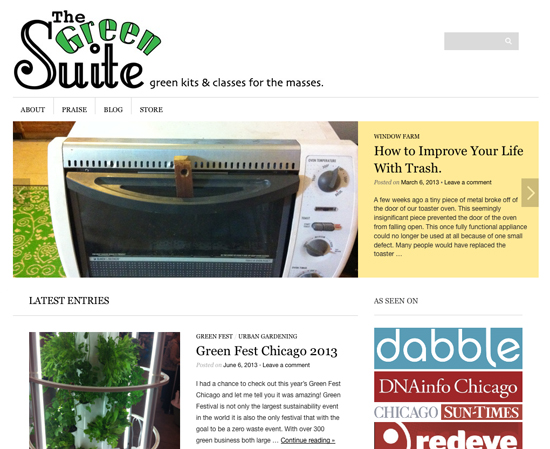
The Green Suite website

How do you keep the audience engaged over time?

If you want to keep an audience engaged you have to keep cranking out good content. I try to post as often as I can and maintain good quality. For me that’s usually between 3 and 5 posts a week.

Tell us about your events around the world and some of the campaigns you have started.

I was featured in a recent Chicago Sun-Times article about my Zombie Survival Classes in Chicago.

What is in the works for the future? What haven’t you yet tackled, but will want to do soon?

I have some big plans for 2013 one of which being my digital classes. They will be a downloadable version of all of my classes. They will come with a PDF outlining each session and a video.

To contact Nick Conrad and learn more about The Green Suite, click and follow:

Website: www.greenyoursuite.com

Facebook: http://on.fb.me/129BQXV

Twitter: @thegreensuite

Tumblr: http://thegreensuite.tumblr.com

Sun-Times Article: http://bit.ly/12g9fOj


07/19/13

Swimming Pool Becomes a Frog Breeding Pool

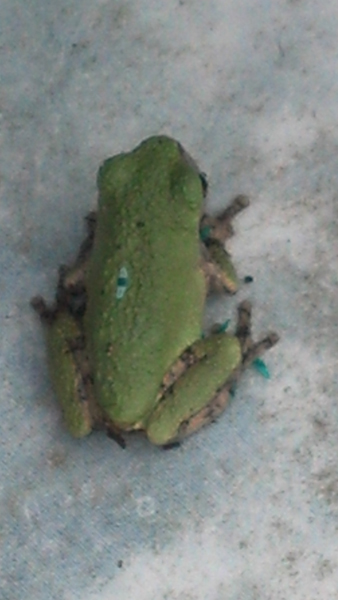
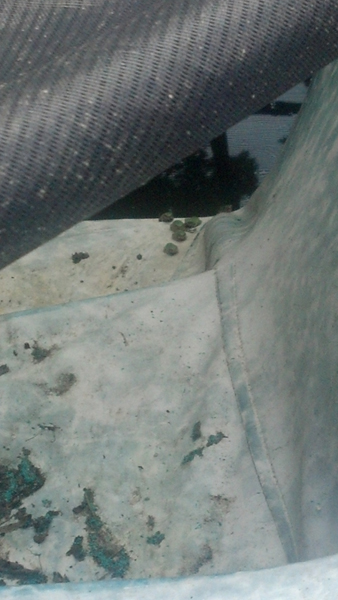
A frog loving fan, James, called the other day to report on what he discovered when he visited his Mother’s pool. It seems that during Superstorm Sandy, the covering of the pool ripped and since there was a separation the frogs began creeping in and under the covering. Since they hadn’t been to the home in a while, they didn’t know this was happening. Being back at the home now, there are thousands of frogs in different stages of development.

green frog in swimming pool

by James

I have noticed little tiny frogs sitting on the sides of the walls where the liner touches the ground. They all look so fragile and everything is complicated to touch. I just hope they realize the opening is there if they need to come out.

I did see one jump back from the concrete back into the pool onto the first step when he saw me. That’s how I took the picture. I wanted to put something in the water to float but you can’t throw things in because there are so many. I have to try and place it in but the water is so low. This is a job for specialists because if you use nets in the water you will get tadpoles in all different stages. I have never seen anything like it and the frogs that have developed are tiny. They can fit on the tip of your finger. that’s how big the frog is of the picture I sent to you.

I called Peta today but they were busy and couldn’t talk to me. If you were standing in front the of pool you would say “OMG.” You can’t tell in the pictures. When you are standing in front of the pool looking closely you can see them all.

I feel bad because there are tiny green ones sitting on the step and side of the pool and I’m not sure what their game plan is. I opened part of the liner in case they want to climb out.

I didn’t know frogs need to sleep on something so I suspected they might be on the steps since the water is low. When I looked at the steps in the pool I saw many almost developed in the water, some clinging on the side of the pool, and others were sitting on the steps.

I opened the pool cover in the corner where the steps are located to see if any of them climbed out. I was going to put a back wash hose in the water and lead it out to the ground so they can walk on it and out of the pool. i don’t know if this is a good thing to do because there aren’t any ponds around and people are always cutting their grass. plus its hard to even put anything in because there are so many and they can get hurt. If I put the back wash hose in then I would have to do it very slowly. They ones on the steps were all looking at me while I was trying to take their picture.

I sent his story to a few experts and here’s a response from
Keith Gisser
, Herpetologist, Herps Alive! Foundation

I would certainly call Wildlife Management. It is unlikely you are the only one. Having said that, this sounds like toads or (if they are bright green) gray tree frogs. There is a reason they all emerge at the same time and that is so that a few of them make it.

Moving these guys is pretty easy. I would use a fish net and a couple rubbermaid tubs with the water they are in. Just scoop ’em up – froglets in one, tadpoles in the other and get them to a suitable habitat nearby.

Do you have the same issue?

Do you have any suggestions that can help James?

swimming pool becomes breeding pool for frogs