02/23/26

Winners of the 16th Annual Kids Art Contest

Announcing the winners of the 16th annual international kids art contest (2025) hosted by Frogs Are Green. Thank you to all the students who participated, helping us showcase what children are thinking and learning about. We received hundreds of artworks from dozens of countries.

There was incredible variety in the materials used as well as subject matter. The galleries show very thoughtful images about this year’s theme: Biodiversity Loss.

Below we showcase the winners in the age groups (3-6, 7-9, 10-12, and 13-18.) By March, we will add more galleries for the sub-categories, such as: best environmental art; best black and white art; best 3D art, etc.

A big thank you to the judges for this year who had a difficult job in choosing from so many wonderful pieces. John Cichowski, Debra Jason, Andrea Raphael, Marc Burckhardt, Tina Maneca, and Gail Zavian.

Here is the original contest page which has links to the 4 Flickr galleries of all the children’s art submitted and more information about this year’s theme (Biodiversity Loss), such as videos to watch. You can also read more about the judges.
2025 Kids Art Contest – Biodiversity Loss

Winners – Age group 3-6

1st Place – Huang Chiao, 6 years old, Taiwan
2nd Place – Patchayamon Buathong, 6 years old, Thailand
3rd Place – Wang Liyue, 6 years old, China

Honorable Mentions

Bella Yang, 6 years old, Canada
Luca Kim, 5 years old, California, USA
Wang Tulan, 6 years old, China

1st Place, Huang Chiao Hsi, age 6, Taiwan

1st Place, Huang Chiao Hsi, age 6, Taiwan

2nd Place, Patchayamon Buathong, age 6, Thailand

2nd Place, Patchayamon Buathong, age 6, Thailand

3rd Place, Wang Liyue, age 6, China

3rd Place, Wang Liyue, age 6, China

Bella Yang, age 6, Canada

Bella Yang, age 6, Canada

Luca Kim, age 5, California, USA

Luca Kim, age 5, California, USA

Wang Tulan, age 6, China

Wang Tulan, age 6, China

1st-place-Huang-Chiao-Hsi-age-6-Taiwan-2025 thumbnail
2nd-place-Patchayamon-Buathong-Age-6-Thailand-2025 thumbnail
3rd-place-Wang-Liyue-age-6-China-2025 thumbnail
HM-Bella-Yang-age-6-Canada-2025 thumbnail
HM-Luca-Kim-Age-5-California-USA-2025 thumbnail
HM-Wang-Tulan-age-6-China-2025 thumbnail

Winners – Age Group 7-9

1st Place, Chen Jiayu, 7 years old, China
2nd Place, Connor Kim, 7 years old, California, USA
3rd Place, Natthuanun Wiwarin, 8 years old, Thailand

Honorable Mention

Chiang Hsuan-Chieh, 7 years old, Taiwan
Guo Yang, 7 years old, China
Wang Liying, 8 years old, China
Xie Yuan, 8 years old, China

1st Place, Chen Jiayu, age 7, China, 2025

1st Place, Chen Jiayu, age 7, China, 2025

2nd Place, Connor Kim, age 7, CA, USA, 2025

2nd Place, Connor Kim, age 7, CA, USA, 2025

3rd Place, Natthanun Wiwarin, age 8, Thailand, 2025

3rd Place, Natthanun Wiwarin, age 8, Thailand, 2025

Chiang Hsuan Chieh, age 7, Taiwan, 2025

Chiang Hsuan Chieh, age 7, Taiwan, 2025

Guo Yang, age 7, China, 2025

Guo Yang, age 7, China, 2025

Wang Liying, age 8, China, 2025

Wang Liying, age 8, China, 2025

Xie Yuan, age 8, China, 2025

Xie Yuan, age 8, China, 2025

1st-Place-Chen-Jiayu-age-7-China-2025 thumbnail
2nd-Place-Connor-Kim-age-7-CA-USA-2025 thumbnail
3rd-Place-Natthanun-Wiwarin-age-8-Thailand-2025 thumbnail
HM-Chiang-Hsuan-Chieh-age-7-Taiwan-2025 thumbnail
HM-Guo-Yang-age-7-China-2025 thumbnail
HM-Wang-Liying-age-8-China-2025 thumbnail
HM-Xie-Yuan-Age-8-China-To-the-Stars-and-the-Sea-2025 thumbnail

Winners – Age Group 10-12

1st Place, Roy W., 10 years old, UK
2nd Place, Wei Chehe, 10 years old, China
3rd Place, Aleks Dimitrov, 12 years old, Germany

Honorable Mentions

Chen Yan Zang, 11 years old, Taiwan
Wei Cai-Xian, 12 years old, Taiwan
Yeh Pin Yu, 10 years old, Taiwan
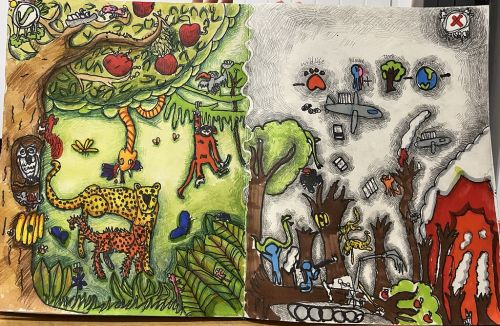
1st Place, Roy W., age 10, UK

1st Place, Roy W., age 10, UK

2nd Place, Wei Chehe, age 10, China

2nd Place, Wei Chehe, age 10, China

3rd Place, Aleks Dimitrov, age 12, Germany

3rd Place, Aleks Dimitrov, age 12, Germany

Chen Yan Zhang, age 11, Taiwan

Chen Yan Zhang, age 11, Taiwan

Wei Cai Xian, age 12, Taiwan

Wei Cai Xian, age 12, Taiwan

Yeh Pin Yu, age 10, Taiwan

Yeh Pin Yu, age 10, Taiwan

1st-Place-Roy-W-age-10-UK-2025 thumbnail
2nd-Place-Wei-Chehe-age-10-China-2025 thumbnail
3rd-Place-Aleks-Dimitrov-age-12-Germany-2025 thumbnail
HM-Chen-Yan-Zhang-age-11-Taiwan-2025 thumbnail
HM-Wei-Cai-Xian-age-12-Taiwan-2025 thumbnail
HM-Yeh-Pin-Yu-age-10-Taiwan-2025 thumbnail

Winners – Age Group 13-18

1st Place, Monica Tsang, 14 years old, Canada
2nd Place, Chatchayanich Worabut, 13 years old, Thailand
3rd Place, Marina Milenova Katsarska, 15 years old, Bulgaria

Honorable Mention

Alessandra Sarmiente, 14 years old, NJ, USA
Cagla Yetiskin, 16 years old, Turkey
Manasvini Boddupalli, 15 years old, NJ, USA
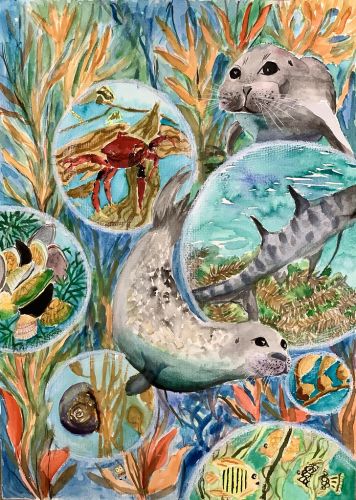
1st Place, Monica Tsang, age 14, Canada 2025

1st Place, Monica Tsang, age 14, Canada 2025

2nd Place, Chatchayanich Worabut, 13 years old, Thailand

2nd Place, Chatchayanich Worabut, 13 years old, Thailand

3rd Place, Marina Milenova Katsarska, 15 years old, Bulgaria

3rd Place, Marina Milenova Katsarska, 15 years old, Bulgaria

Alessandra Sarmiento, 14 years old, McNair HS, NJ, USA

Alessandra Sarmiento, 14 years old, McNair HS, NJ, USA

Cagla Yetiskin, 16 years old, Turkey

Cagla Yetiskin, 16 years old, Turkey

Manasvini Boddupalli, 15 years old, McNair HS, NJ, USA

Manasvini Boddupalli, 15 years old, McNair HS, NJ, USA

1st-Place-Monica-Tsang-age-14-Canada-2025 thumbnail
2nd-Place-Chatchayanich-Worabut-age-13-Thailand-2025 thumbnail
3rd-Place-Marina-Milenova-Katsarska-15 years-Bulgaria-2025 thumbnail
HM-Alessandra-Sarmiento-age-14-McNairHS-NJ-USA-2025 thumbnail
HM-Cagla-Yetiskin-age-16-Turkey-2025 thumbnail
HM-Manasvini-Boddupalli-age-15-McNairHS-NJ-USA-2025 thumbnail

Winners – Best Environmental Art

1st Place, Chatchayanich Worabut, 13 years old, Thailand
2nd Place, Jiang Yirong, 9 years old, China
3rd Place, Ardchawin Keereewan, 13 years old, Thailand

Honorable Mention

Chen Boyi, 11 years old, China
Lusia Anderson, 15 years old, McNair HS, NJ, USA.
Yang Zi Wei, 15 years old, Taiwan

1st Place, Chatchayanich Worabut, age 13, Thailand, Best Environmental 2025

1st Place, Chatchayanich Worabut, age 13, Thailand, Best Environmental 2025

2nd Place, Jiang Yirong, age 9, China, Best Environmental 2025

2nd Place, Jiang Yirong, age 9, China, Best Environmental 2025

3rd Place, Ardchawin Keereewan, age 13, Thailand, Best Environmental 2025

3rd Place, Ardchawin Keereewan, age 13, Thailand, Best Environmental 2025

Chen Boyi, age 11, China, Best Environmental 2025

Chen Boyi, age 11, China, Best Environmental 2025

Lusia Anderson, age 15, McNairHS, NJ, USA, Best Environmental 2025

Lusia Anderson, age 15, McNairHS, NJ, USA, Best Environmental 2025

Yang Zi Wei, age 15, Taiwan, Best Environmental 2025

Yang Zi Wei, age 15, Taiwan, Best Environmental 2025

1st-Place-Chatchayanich-Worabut-age-13-Thailand-Best-Enviro-2025 thumbnail
2nd-Place-Jiang-Yirong-age-9-China-Best-Enviro-2025 thumbnail
3rd-Place-Ardchawin-Keereewan-age-13-thailand-Best-Enviro-2025 thumbnail
Chen-Boyi-age-11-China-Best-Enviro-2025 thumbnail
Lusia-Anderson-age-15-McNairHS-Best-Enviro-2025 thumbnail
Yang-Zi-Wei-age-15-Taiwan-best-enviro-2025 thumbnail

Winners – Best 3D Art

1st Place, Marina Milenova Katsarska, 15 years old, Bulgaria
2nd Place, Nikola Milenov Katsarski, 15 years old, Bulgaria
3rd Place, Ella Kalivodova, 8 years old, Slovakia

Honorable Mention

Charlotte Yang, 10 years old, Canada
Gabby Giusti, 16 years old, CA, USA
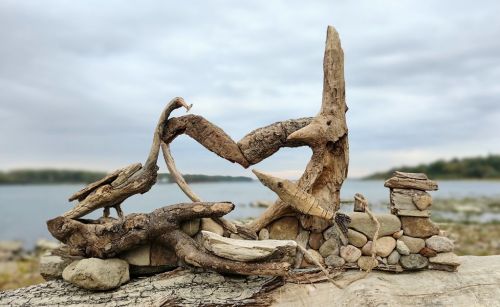
1st Place, Marina Milenova Katsarska, Age 15, Bulgaria, Best 3D 2025

1st Place, Marina Milenova Katsarska, Age 15, Bulgaria, Best 3D 2025

2nd Place, Nikola Milenov Katsarski, age 15, Bulgaria, Best 3D 2025

2nd Place, Nikola Milenov Katsarski, age 15, Bulgaria, Best 3D 2025

3rd Place, Ella Kalivodova, age 8, Slovakia, Best 3D 2025

3rd Place, Ella Kalivodova, age 8, Slovakia, Best 3D 2025

Charlotte Yang, age 10, Canada, Best 3D 2025

Charlotte Yang, age 10, Canada, Best 3D 2025

Gabby Giusti, Age 16, CA, USA, Best 3D 2025

Gabby Giusti, Age 16, CA, USA, Best 3D 2025

1st-Place-Marina-Milenova-Katsarska-age-15-Bulgaria-Best-3D-2025 thumbnail
2nd-Place-Nikola-Milenov-Katsarski-age-15-Bulgaria-Best-3D-2025 thumbnail
3rd-Place-Ella-Kalivodova-age-8-Slovakia-Best-3D-2025 thumbnail
Charlotte-Yang-age-10-Canada-Best-3D-2025 thumbnail
Gabby-Giusti-age-16-CA-USA-Best-3D-2025 thumbnail

Winners Best BW Art

1st Place, Thita Arundee, age 13, Thailand
2nd Place, Ardchawin Keereewan, age 13, Thailand
3rd Place, Ploypitcha Pethrung, age 10, Thailand

Honorable Mention

Patchayamon Buathong, age 6, Thailand

1st Place, Thita Arundee, age 13, Thailand, Best BW 2025

1st Place, Thita Arundee, age 13, Thailand, Best BW 2025

2nd Place, Ardchawin Keereewan, age 13, Thailand, Best BW 2025

2nd Place, Ardchawin Keereewan, age 13, Thailand, Best BW 2025

3rd Place, Ploypitcha Pethrung, age 10, Thailand, Best BW 2025

3rd Place, Ploypitcha Pethrung, age 10, Thailand, Best BW 2025

Patchayamon Buathong, age 6, Thailand, Best BW 2025

Patchayamon Buathong, age 6, Thailand, Best BW 2025

1st-Place-Thita-Arundee-age-13-Thailand-Best-BW-2025 thumbnail
2nd-Place-Ardchawin-Keereewan-age-13-Thailand-Best-BW-2025 thumbnail
3rd-Place-Ploypitcha-Pethrung-age-10-Thailand-Best-BW-2025 thumbnail
Patchayamon-Buathong-Age-6-Thailand-Best-BW-2025 thumbnail

Winners – Best of Jersey City

1st Place, Alessandra Sarmiento, age 14, Jersey City
2nd Place, Luna Estrella, age 11, Jersey City
3rd Place, Anzish Ahmed, age 6, Jersey City

Honorable Mention

Kermend Awad, age 15, Jersey City
Kira Rappaport, age 12, Jersey City
Paola Robalino, age 14, Jersey City
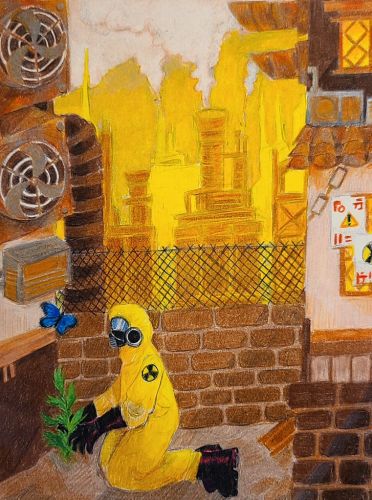
1st Place, Alessandra Sarmiento, age 14, McNair HS, Best Jersey City 2025

1st Place, Alessandra Sarmiento, age 14, McNair HS, Best Jersey City 2025

2nd Place, Luna Estrella, age 11, Best Jersey City 2025

2nd Place, Luna Estrella, age 11, Best Jersey City 2025

3rd Place, Anzish Ahmed, age 6, Best Jersey City 2025

3rd Place, Anzish Ahmed, age 6, Best Jersey City 2025

Kermend Awad, age 15, Best Jersey City 2025

Kermend Awad, age 15, Best Jersey City 2025

Kira Rappaport, age 12, Best Jersey City 2025

Kira Rappaport, age 12, Best Jersey City 2025

Paola Robalino, age 14, Jersey City 2025

Paola Robalino, age 14, Jersey City 2025

1st-Place-Alessandra-Sarmiento-age-14-McNairHS-Best-JC-2025 thumbnail
2nd-Place-Luna-Estrella-age-11-Best-JC-2025 thumbnail
3rd-Place-Anzish-Ahmed-age-6-Best-JC-2025 thumbnail
Kermeena-Awad-age-15-Best-JC-2025 thumbnail
Kira-Rappaport-age-12-Best-JC-2025 thumbnail
Paola-Robalino-age-14-Best-JC-2025 thumbnail
06/9/15

Lemur Conservation Network – Eco Interview with Lynne Venart

When was your organization founded? Please tell us a bit about its mission, goals…

We are a very new organization; we began social media in December 2014, and just launched our website in February 2015! The website launch marked the one year anniversary of the lemur action plan, published in the journal Science. This action plan was authored by over 100 international primatologists from the IUCN Species Survival Commission Primate Specialist Group, and targets 30 priority sites across Madagascar with urgent conservation strategies aimed to save lemurs from extinction. The plan was developed by the key minds in lemur conservation, but it has yet to be fully funded.

That’s where the Lemur Conservation Network comes in. We formed to raise awareness about the importance of lemur conservation, and to encourage everyone to help. Our network unites over 40 organizations working on the ground in Madagascar to protect the land and its unique species. We aim to educate the public about Madagascar’s unique biodiversity, and urge all friends of lemurs, conservation, and the earth to support the cause and the projects in the action plan. We embrace all lemur fans, no matter your age, educational background, or location. It’s important to engage everyone who is curious about science and these fascinating creatures: we need more cheerleaders for conservation!

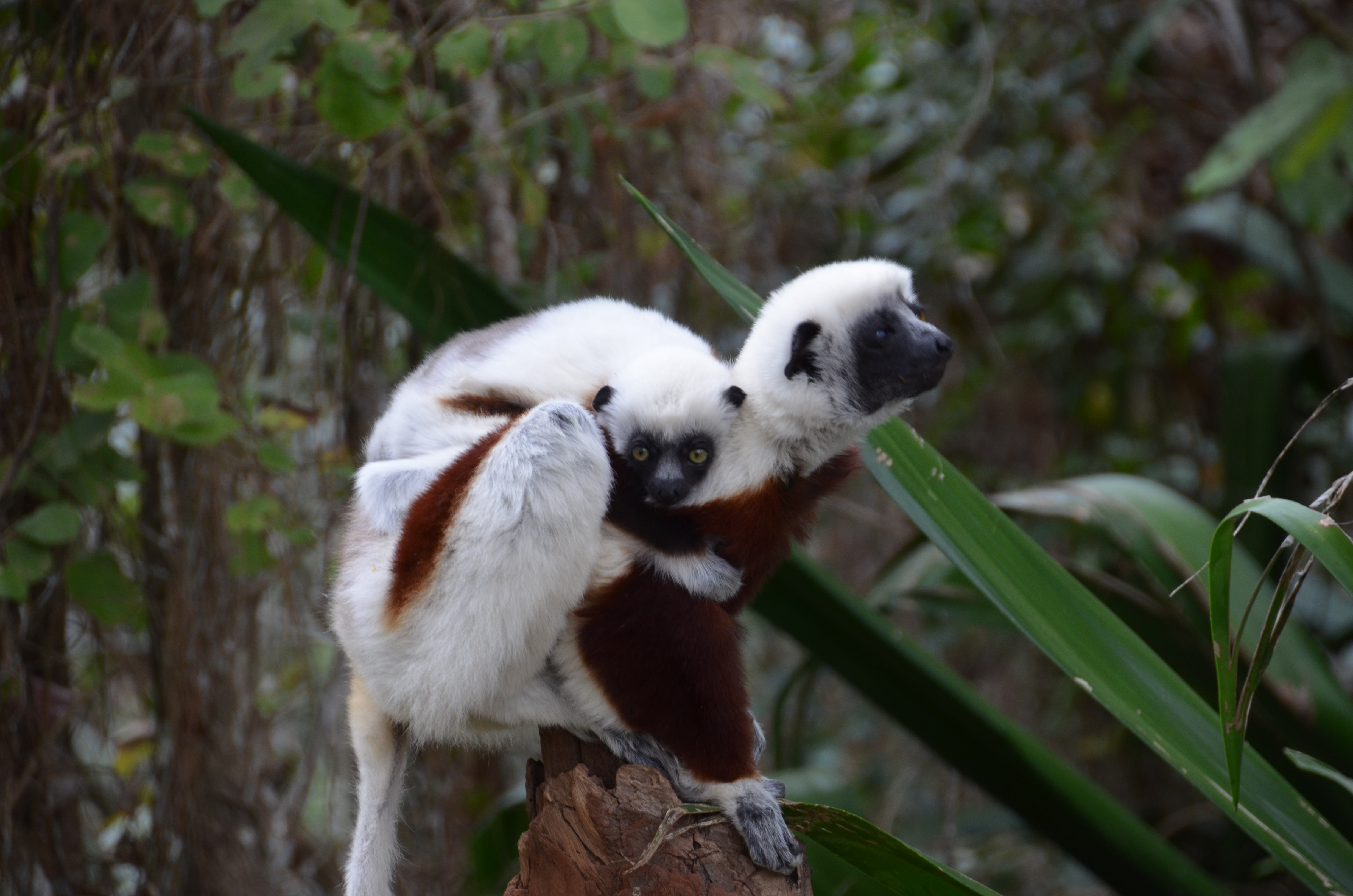
 Coquerel's Sifaka mom and baby in Madagascar

Coquerel’s Sifaka mom and baby in Madagascar

What is your educational background and what led to creating this organization?

I come to lemur conservation from a very different background than my colleagues at the Lemur Conservation Network, who are all PhD scientists. I have been a consultant for a variety of nonprofit organizations in branding, marketing, and web design for over 15 years.

And there is no cause I care more about than lemur conservation. I’ve been fascinated by lemurs and Madagascar for almost 20 years because of the extreme biodiversity on the island. I saw a unique need in lemur conservation for my professional skill set. A lot of people don’t know much about Madagascar or that the lemurs and other animals that inhabit it are facing an extinction crisis. A lot of people also don’t know just how cool these animals are! It can be difficult for scientists and conservation leaders to speak in a way that your average person will understand and find interesting. I bridge the gap between the science and the general public.

What are some challenges you have faced and how did you deal with them?

At first, it was difficult for our member organizations to understand what we wanted to do with the Lemur Conservation Network. In essence, we are a member organization, but we do not accept fees from our members because we want all of them to be equal, and we don’t want to take funds away from their important work on the ground in Madagascar. I think it was difficult at first for people in the field to understand that we existed because we wanted to help them by promoting their work and gaining more lemur fans who will support them.

Since I was not a known person in the field (my nonprofit consulting has been in a variety of fields like health care, education, and community engagement, but not lemur conservation), it was just so out of the blue.

It helped that, before much work had been done on the project, I gained the support of the IUCN Primate Specialist Group who published the lemur action plan. I knew it was important to have the backing of respected scientists in order to be taken seriously. They also guided the project a lot in the beginning to ensure that it would be useful for organizations on the ground. Their help was invaluable.

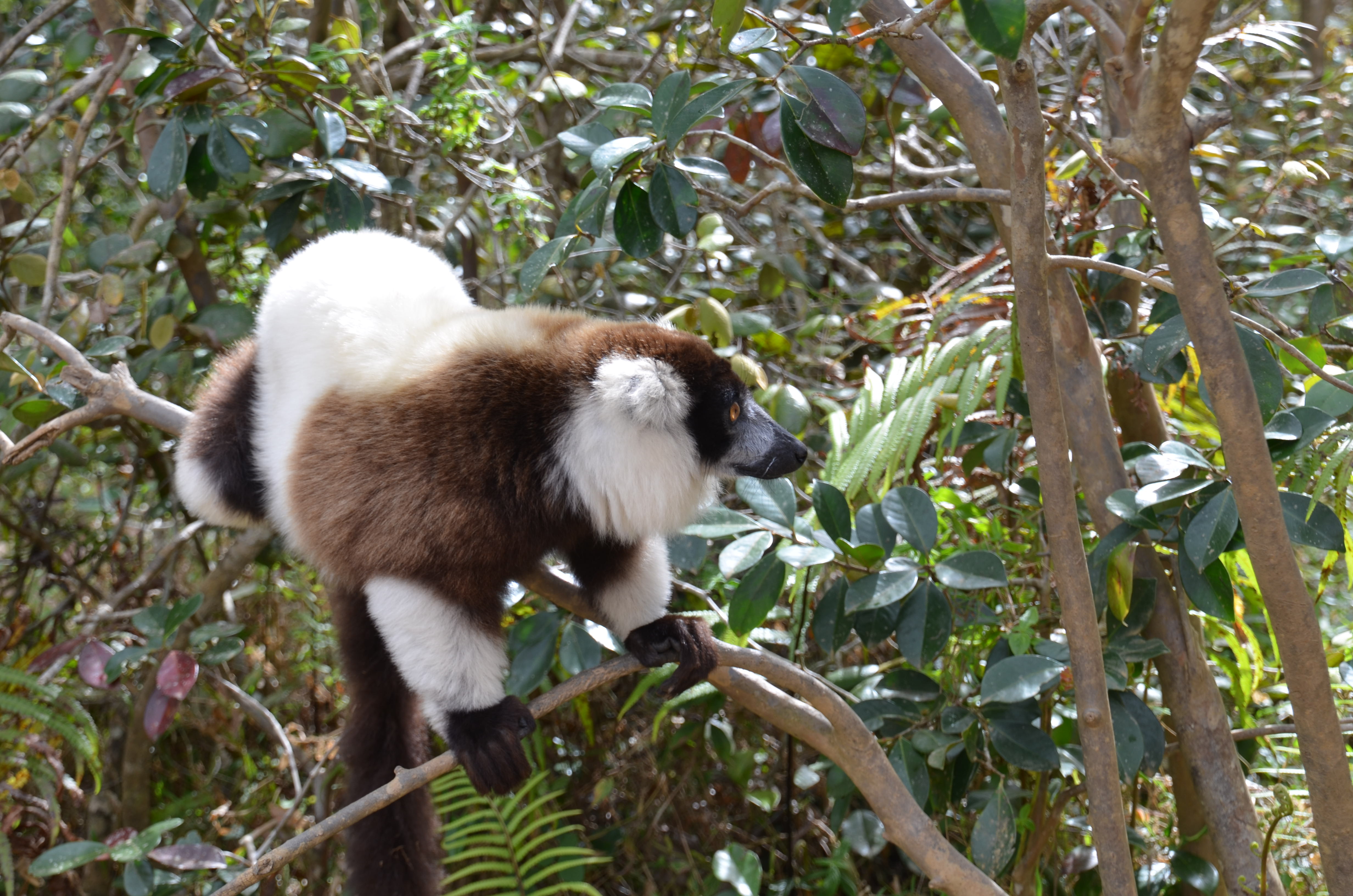
Black and White Ruffed Lemur in Madagascar

Black and White Ruffed Lemur in Madagascar

What can people do to help? Donate, and contribute to your cause? Other ideas?

At the Lemur Conservation Network, we recognize that we need everyone’s help to protect lemurs and their habitat! We thrive on participation.

How you can help:

  1. Support conservation in Madagascar and the lemur action plan by donating to one of our member organizations.
  2. Organize charity events in your area for us or one of our member organizations.
  3. Learn about volunteer opportunities that support conservation in Madagascar on our website.
  4. Read our blog to learn more about lemurs, life as a scientist, and more.
  5. Get inspired and tell your friends!

How do you reach your targeted audience? Is it through your website, advertising or social media or another route? Which is most effective and why?

We have an active social media presence on Facebook and Twitter, where we share news about lemurs and Madagascar, publicize our blog posts, and share information about lemur science and quick facts about various lemur species. We also have a robust photo archive from our members. There are over 100 species of lemur, and tons of unique chameleons, frogs, geckos, birds, and plant species in Madagascar, so there’s a lot of material to pick from!

How do you keep the audience engaged over time?

Our blog is key in engaging our audience. We have posts from scientists working on the ground in Madagascar, but also from zookeepers, travelers, and high school students with a passion for conservation. This variety of viewpoints keeps the content fresh and appealing.

Tell us about your events around the world and some of the campaigns you have started.

Our launch party in March in Washington, DC welcomed over 150 guests. We had a ton of really fun raffle prizes, like lemur ties, handmade crafts from Madagascar, and even lemur bobbleheads! At our launch, we randomly selected two member organizations to receive donations at the event, and raised over $1,000 for them!

We also hold networking happy hours around the world. Our first was recently in Washington, DC, and we have two more scheduled for the coming months at science conferences around the world. We also recently participated in a Discover Madagascar festival in the DC area, which was attended by hundreds of Malagasy people who now live in the United States. It was great fun to share stories about lemurs and Madagascar with those native to the country.

We encourage our supporters to hold fundraising events where they live as well. One of our bloggers recently raised over £1000 at a charity race in the UK supporting one of our members, the Aspinall Foundation. There is interest in the London area to begin holding more fundraising events.

What is in the works for the future? What haven’t you yet tackled, but will want to do soon?

We are currently building up educational resources on the unique species of Madagascar, and have a couple of other educational webinars in the works. It’s important to spread our enthusiasm about lemurs and Madagascar to everyone, young and old!

We are also building an in-language Malagasy version of the website, so we can better reach the community in Madagascar.

We are a very new organization, but we have received a ton of support from all over the world. We are blown away by what we have accomplished in just a few short months. We hope to keep the enthusiasm going, and to continue to build up the lemur fan base. Lemurs rock!

Lynne Venart, Project Manager & Creative Director, Lemur Conservation Network

Lynne Venart, Project Manager & Creative Director, Lemur Conservation Network

***A podcast with Lynne Venart, interviewed by Susan Newman (Suzy Brandtastic), is coming very soon.***

Contact Info:

Website: www.lemurconservationnetwork.org
Support Conservation on the Ground in Madagascar: http://lemurconservationnetwork.org/support-conservation/
Blog: http://lemurconservationnetwork.org/blog/
Facebook: https://www.facebook.com/lemurconservationnetwork
Twitter: https://twitter.com/LemurNetwork

05/21/12

The Map of Life: Where in the World Are Frogs?

A research team involving Yale University and the University of Colorado Boulder has developed a first public demonstration version of its “Map of Life,” an ambitious Web-based project designed to show the distribution of all living plants and animals on the planet.

According to their press release, the demo version allows anyone with an Internet connection to map the known global distribution of almost 25,000 species of terrestrial vertebrate animals, including mammals, birds, amphibians, reptiles and North American freshwater fish.

The researchers compiled information about the animals from different sources: field guides, museum collections, and wildlife checklists from scientists, conservation organizations, and “citizen scientists.” They hope that scientists and informed amateurs will supply new or missing information about the distribution and abundance of particular species.

The Map of Life allows users to see several levels of detail for a given species — at its broadest, the type of environment it lives in, and at its finest, specific locations where the species’ presence has been documented. One function allows users to click a point on the map and generate a list of vertebrate species in the surrounding area. More functions will be added over time, according to the team.

the map of life

“It is the where and the when of a species,” said Walter Jetz, associate professor of ecology and evolutionary biology at Yale and the project lead. “It puts at your fingertips the geographic diversity of life. Ultimately, the hope is for this literally to include hundreds of thousands of animal and plant species and show how much or indeed how little we know of their whereabouts.”

Eventually they hope that anyone, anywhere will be able to use their mobile devices to instantly pull up animal and plant distributions and even get a realistic assessment on the odds of encountering a particular species of wildlife.

The researchers  have created two video demos.


At Frogs Are Green, we think this will be a great project both as a learning tool (you can plug in a species name and get an overview of information about the species and where the species is found), but  it will also give scientists a tool to understand the biodiversity of a particular area.

Click, to try out the Map of Life.

11/10/10

Bullfrogs and other Super Species – Will They Soon Dominate Our Planet?

Super species are the phenomenally successful invasive creatures—animals, plants, and microbes—that are dominating ecosystems around the globe. Feral pigs are relentlessly trampling across Europe, North America, and Australia. Jellyfish are dominating the world’s oceans, clogging fishing nets. Not to mention the invasive species that are in our own backyards:  house sparrows and eastern gray squirrels.

In Super Species: The Creatures That Will Dominate the Planet (Firefly Books, published October 2010) Garry Hamilton details the fascinating stories of the species that seem to have won the natural selection sweepstakes. Some of these super species include the European green crab, the giant African land snail, the Argentine ant, nutria, zebra mussels, the chytrid fungus, and killer algae.

One of the species he describes, the invasive American bullfrog, especially concerns us at Frogs Are Green. Hamilton contends that bullfrogs are more invasive than Australia’s notorious cane toads. The reasons are many—bullfrogs were shipped around the world for use as biological control agents, as pets, or for sport.

Frog farms have also led to their introduction to nonnative areas. In the late 1800s after gold miners out West ate their way through native frogs, entrepreneurs imported American bullfrogs from back East to satisfy the increasing demand. Eventually farming bullfrogs spread to other parts of the world as well.

As Hamilton describes it, bullfrog farming isn’t easy and many of the frogs in these “farms” were let loose. Most frogs wouldn’t have survived. But like many invasive species, bullfrogs are highly adaptable. Bullfrogs like deep, stable, non-moving aquatic habitats. This describes many human-modified environments: reservoirs, farm ponds, irrigation channels, and even garden water features.

Bullfrogs can survive through cold Ontario winters and the extreme heat of Southern U.S. summers. Female bullfrogs can produce between 6000 and 7000 eggs and as they mature, up to 25,000 eggs per clutch. As carnivorious amphibians, they prey on fish, water beetles, snails, turtles, bats, voles, ducklings, snakes, lizards, and salamanders.

Bullfrogs compete with and prey on native frogs. This is one of the contributing factors to the worldwide decline of amphibians. Bullfrogs may also be helping to spread the deadly chytrid fungus, which is devastating frog populations around the world.

Attempts to deal with invasive bullfrogs have been challenging. But scientists have found that their numbers are fewer in waterways that haven’t been altered by people. As Hamilton writes, “By changing the physical parameters of a freshwater wetland, humans also change the playing field for all life-forms in the ecosystem, and this results in a cascade of ecological readjustments.”

The answer, Hamilton contends, is not to use the old methods such as killing the frogs and draining ponds. Rather, he says that in order to save native frogs, we need to save their habitats. Altering habitats is conducive to an invasion of bullfrogs.

I had mixed feelings reading about invasive bullfrogs. I like coming across them in ponds in the woods of upstate New York (one of their original habitats), their eyes peering just above the water, as they croak a bass jug-a-rum sound. One of my favorite frog books, The Frog Book, written in 1906 by naturalist Mary Dickerson, describes the bullfrog:

If we go rowing on river, lake, pond or park lagoon,  some moonlit night late in late June, we are certain to hear the deep-toned call of the Bullfrog many times. Coming as it does at unexpected intervals  and from unexpected directions, it seems startlingly weird in the quiet of the night. For June nights are quiet. The insect orchestras are not in full swing and the frog choruses have disbanded.

During Dickerson’s time, bullfrogs were less common than other frogs. At that time, they had many natural predators to keep them in control: snakes, otters, hawks, owls, herons, and turtles, and frog farming was mainly in the future. But human intervention tipped the balance.

In Super Species, Hamilton documents the story of many species like bullfrogs in which human intervention and alterations of habitats led to an imbalance. But his tone isn’t hysterical. Some invasive species like the plant kudzu, he contends, don’t actually have much of an impact on local biodiversity despite alarmist news stories. These species may actually be creating a new biosphere from the “rubble of our own destruction.”

This review is part of Ecolibris’s  Green Books Campaign.  Today at 1:00 p.m. ET, 200 bloggers will take a stand to support books printed on recycled or FSC-certified paper by simultaneously publishing reviews of 200 such books. By turning a spotlight on books printed using environmentally-friendly paper, Ecolibris wants to raise the awareness of book buyers to this issue and to encourage them to take it into consideration when purchasing books.