05/23/14

North Carolina Fracking Bill That Would Block Chemical Disclosure

North Carolina Republican Lawmakers Push For A Bill to Give Jail Time To Anyone Who Discloses Chemicals Used In Fracking Operations.

Guest post by Wes Deyton, Wildlife Photographer and Activist
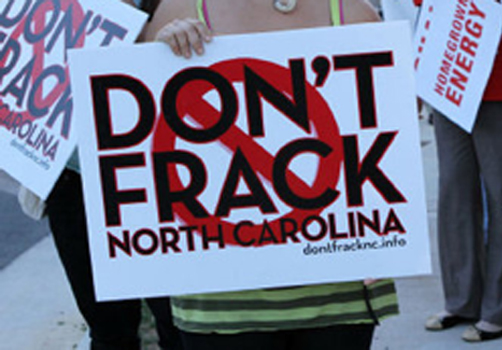
ncfrackingNine Republican lawmakers have co-sponsored a bill called the Energy Modernization act. This bill is coming up for a vote in the Senate. The Energy Modernization act will make it a class one felony to disclose the chemicals involved in the fracking process. The Energy Modernization act, if passed, would require companies involved in fracking to submit a list of their chemicals to the state geologist, who will keep the list locked away in case of accident or emergency.

Under the Energy Modernization act, unauthorized disclosure of the chemicals involved in fracking can result in up to 1 year in prison, or community service, depending on a person’s previous criminal record.

From BillMoyers.com: The disclosure of the chemicals used to break up shale formations and release natural gas is one of the most heated issues surrounding fracking. Many energy companies argue that the information should be proprietary, while public health advocates counter that they can’t monitor for environmental and health impacts without it. Under public pressure, a few companies have begun to report chemicals voluntarily.

North Carolina has banned fracking until the state can approve regulations. The bill introduced Thursday, titled the Energy Modernization Act, is meant to complement the rules currently being written by the North Carolina Mining & Energy Commission.

Fracking is controversial method of extracting oil and natural gas from rock, deep within the earth. Fracking uses high pressure water sand gravel and chemicals to extract the natural gas from between layers of rocks.

Fracking has been blamed for contaminated ground water, birth defects, and cancer. All this secrecy begs the question… Is the Energy Modernization act about protecting trade secrets or preventing a public outcry, if the public found out what kind of chemicals will be used at fracking sites in North Carolina?

More information can be found at this link: HuffPost Green – North Carolina Fracking Bill.
 

02/9/14

Enhancing Your Eco-Friendly Garden to Attract Frogs and Toads

Guest post by Jeriann Watkins

There are a few different reasons you might want frogs and toads in your garden. They do a great job of keeping bugs away. They’re fun to watch after rainstorms when they hop in puddles and through wet grass. They serenade you to sleep at night (ok, that may be a bad thing, depending on whether you like croaky serenades).

As much as you may like frogs and want them in your yard, you should never take it on yourself to place them there. Frogs do not do well when removed from their habitats. Also, you want to be sure that your garden is home to native species, not invasive ones that will do more to harm your private ecosystem than help.

The best way to attract any wildlife to your garden is to emulate what the land would do itself. Trees, shrubs, bushes, and vegetation that would normally grow in your area are most likely to attract native insects, which will in turn attract frogs and toads.

To the human eye, frogs are pretty unassuming. Some people don’t like the slimy appearance. Whatever your opinion, you probably don’t see them as vicious. But they are fierce predators with large appetites, so if you have the environment and the bugs, they will come.

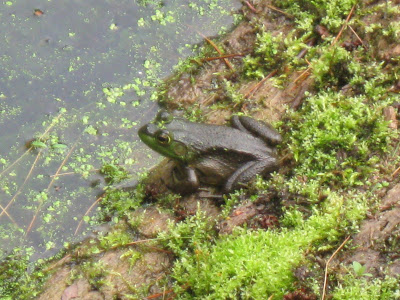
Courtesy of New England Nature Notes: Image copyright Daniel E. Levenson 2013.

Courtesy of New England Nature Notes: Image copyright Daniel E. Levenson 2013.

Choose plants that retain moisture and offer shade. Frogs love cool damp environments, mostly out of necessity. Mulch and compost piles are also great for attracting frogs. They’re a).moist b). full of bugs and c).dark.

There are a lot of plants that are poisonous to frogs. If you have a vegetable garden, you’ll want to avoid planting these items near your pond or areas where frogs are likely to congregate:

Eggplant, Rhubarb, Snowpeas, Potatoes

For landscaping and flower gardens, you’ll want to avoid:

Honeysuckle, Azalea, Hydrangea, Daffodils, Hyacinth

For more info, check out this more exhaustive list of plants that are poisonous for amphibians and reptiles.

Frogs and toads are important for the environment, and are great for maintaining healthy eco-systems. While displacing wildlife to improve your garden will always backfire, you can enhance your garden and landscape to attract creatures that do need food sources and shelter. It’s a symbiotic relationship in that you’re helping them so they can help you.

10/16/13

Feeding the Birds for Fall Migration

Guest blog by Ernie Allison

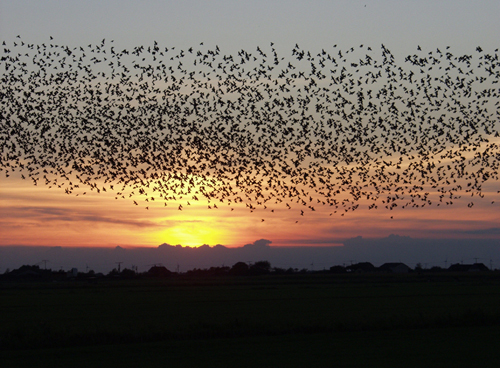
bird migration in sunset sky

Fall migration is a beautiful time to watch birds form large flocks and travel conspicuously across the land. This is a time when birds need a lot of energy, and will actually change their diet to increase their calorie intake. There are a lot of things we can do to help.

Before I start, no my friend, feeding birds does not usually affect bird migrations. Now that we have that out of the way, here are a number of things everyone should know about birds and bird feeding in this season.

Squirrels are Greedy Hoarders

If you’re planning to feed birds this fall, your greatest enemy is the evil squirrel. These cunning critters can figure out how to break into pretty much any feeder and they will just take it all and hide it away. Squirrels don’t know how, or simply don’t care, to share with anyone or anything. Don’t let yourself be moved to pity by their fluffy tails and cutesy mannerisms. They probably all have several winters worth stored up already. Invest in a squirrel proof bird feeder so that the birds have something to get them to the south.

Birds are Independent

You don’t need to worry about accidently domesticating a bird or causing dependence. Birds prefer to find their own favorite treats, especially insects and berries, and will supplement, not replace their diet, with the seeds and fats you offer in your feeder. So feel free to offer a way station on the long journey to their winter homes.

Birds are not Handicapped

For whatever reason, some people are afraid that birds just cannot handle eating sticky goo, like peanut butter. That isn’t true. Birds are perfectly capable of eating delicious slop, just like everybody else. In fact, the fat and protein in peanut butter is exactly what birds need to help them survive the taxing fall migration, so don’t be shy about mixing peanut butter in with your bird seed.

What you should be careful about is providing the regular over salted peanut butter that we enjoy so much. That isn’t good for anyone, us or the birds, so get something with less additives.

Easy feeding

You don’t even have to go buy a bird feeder to be helpful. After breakfast, grab all the leftover crumbs from your cutting board and plates, soak them in the leftover bacon grease, and throw it outside. The birds will find it and be glad for it.

Be messy in your garden. Let the leaves lie for a while so the bugs come and live in them for the birds to find and eat.

As a special bonus, birds will remember your location for next year, and return for another taste, so you can get another good look and maybe a nice picture.


Ernie Allison

About Ernie Allison

Ernie Allison lives in beautiful Idaho. He strongly believes in wildlife conservation and spreading awareness to issues concerning birds and nature in general. He writes extensively about nature all across the internet, and you can find his other works here.